

WHY I WENT ALL-IN ON FUJI!
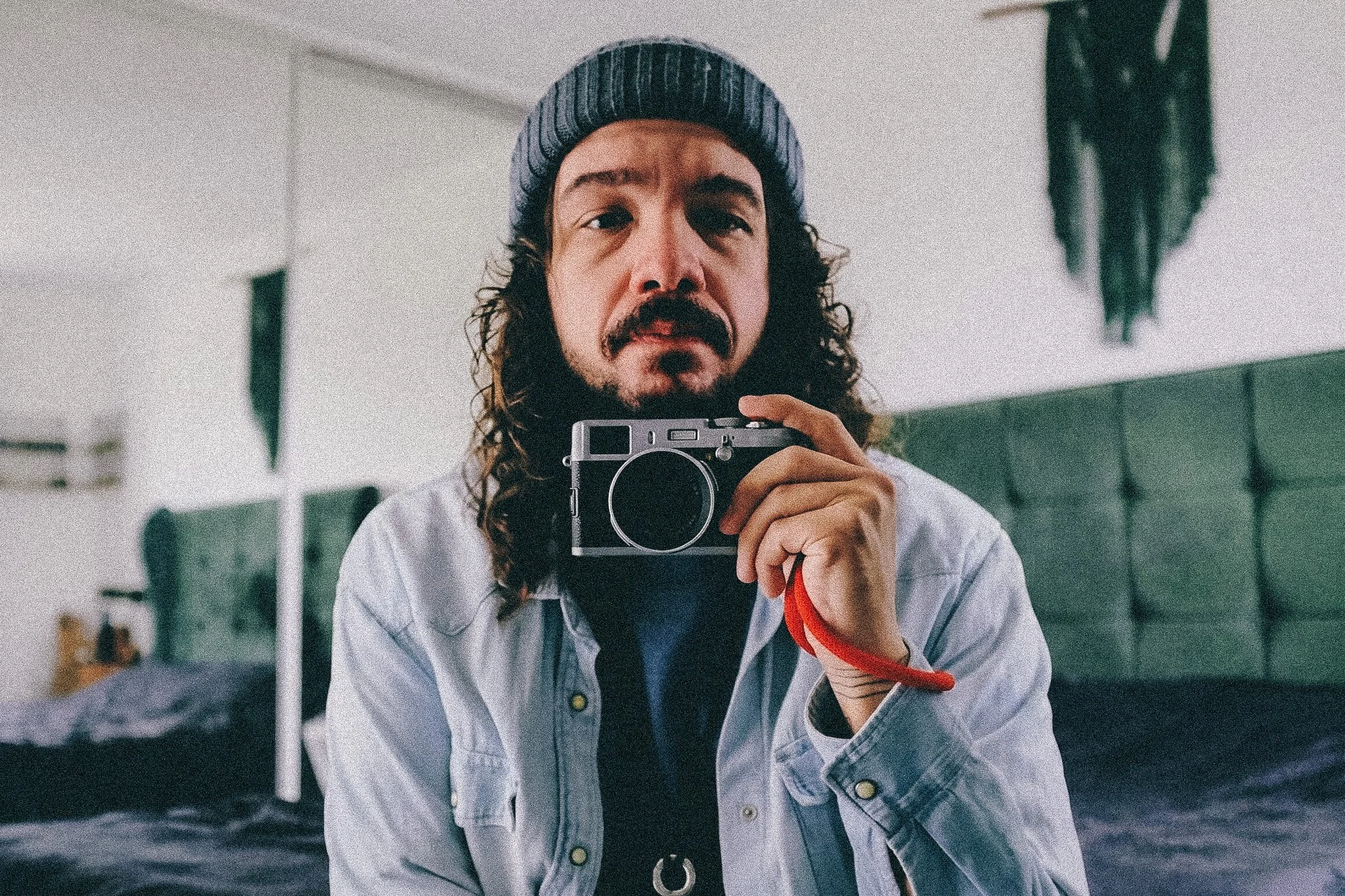
My love affair with Fujifilm started early. It was early-2010s, I was working at Jessops, and I saw the Fujifilm X100 for the first time. I was absolutely blown away by it, the aesthetics, the idea of it, the whole thing. But it was too expensive for me back then, so I had to admire it from a distance.
A little later, I got my hands on the Fuji X-Q1, a traditional compact with a small sensor. Then came the X10, which I really liked, though the autofocus was pretty slow. But it was the release of the XT1 in 2014 that really sold me on the system. I remember seeing it at Jessops again, and something just clicked. Much faster autofocus than the others, pin-sharp lenses, and an aesthetic that was absolutely beautiful. I ended up selling all my digital SLRs to go full Fuji at that point.
That said, over the years I dabbled. I used Olympus for a bit, shot with Canon, tried Sony. But Fuji was always calling me back. It's only been recently that I've realised I should have just committed to the system years ago. So now, I'm full Fuji, and I couldn't be happier about it.
MY CURRENT SETUP
Right now my kit consists of the XH2, which is my workhorse. I've got the XH1 as a second body, it's similar to the XH2 but I couldn't quite justify having two XH2s, and it's nice having two slightly different cameras. Then there's the XPro2, which has been one of my favourite carry-around cameras. It just feels right. And I still have my XT1 from 2014, the camera that started it all. Those have been hard to let go of.
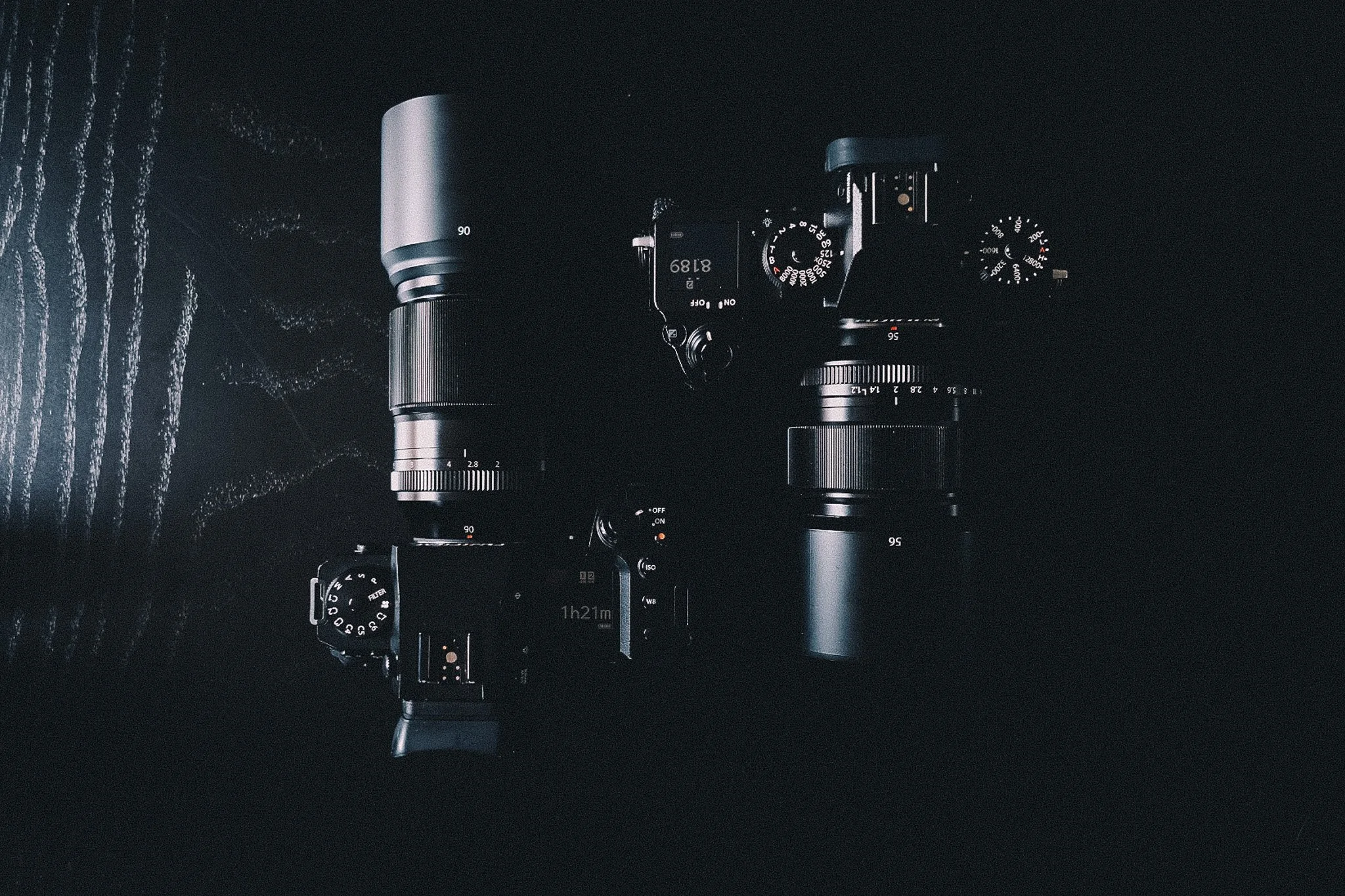
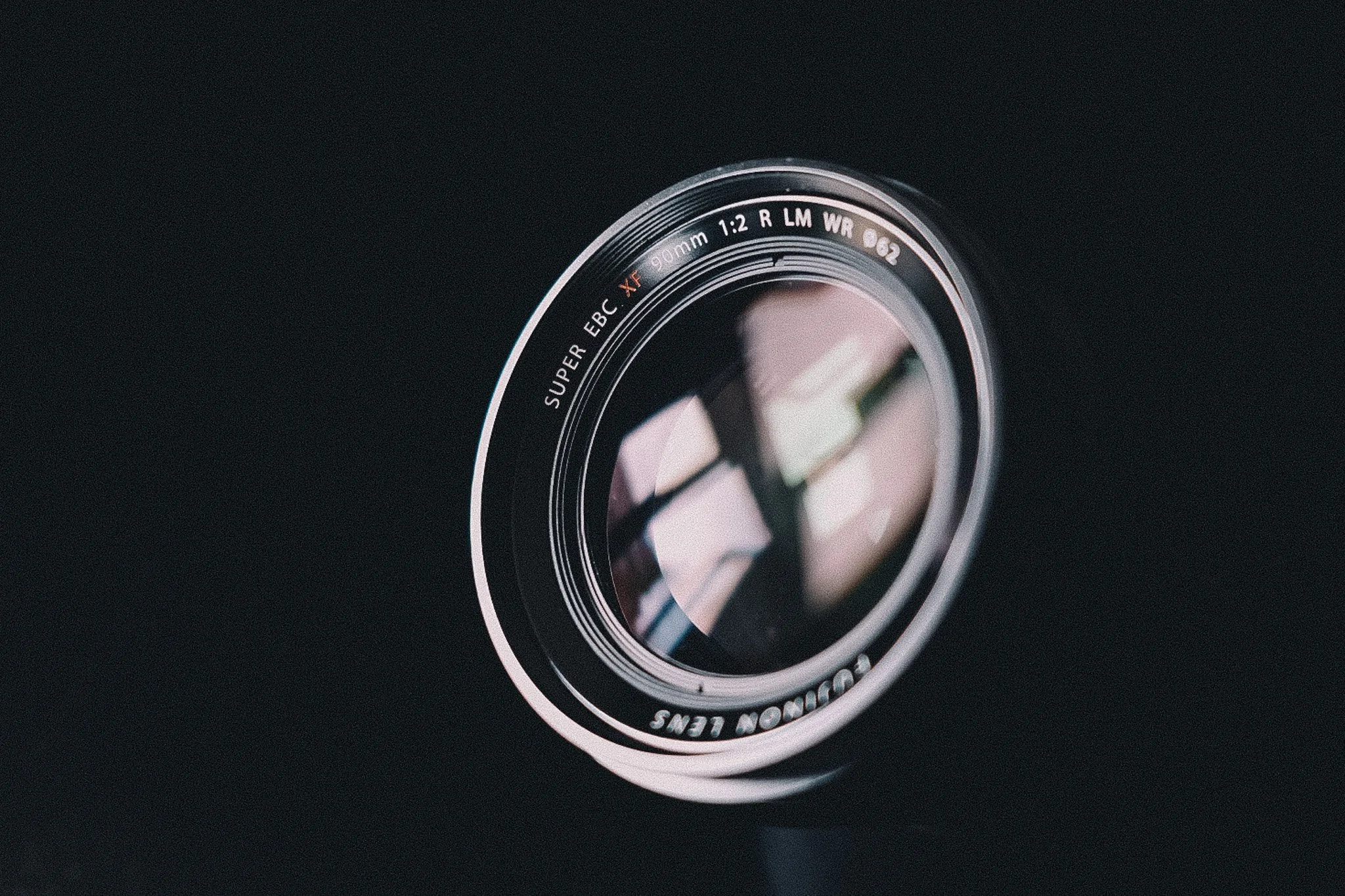
As for lenses, I've got quite a collection of primes, which is where my heart really is. The 56mm f1.2 and 23mm f1.4 are my workhorses for gigs. I recently picked up the 90mm, which is beautiful for portraits and I'm looking forward to using it at live shows. There's the 16mm f2.8 for wider shots, a 35mm f2, and a few others. I've also got the 16-55mm f2.8, which is my main video lens on the XH2, it's the jack-of-all-trades when I can only bring one lens.
That said, I'm trimming the collection a bit. The macro lens, the pancake, and the 35mm will probably move on, just because they don't quite fit what I need day-to-day.
WHY PRIMES FOR LIVE MUSIC
I've always preferred shooting with prime lenses, and that's especially true for live music. They're smaller, which matters when you're on an APS-C system like Fuji's. But more importantly, they stop down way lower, typically f1.4, f1.8, f1.2. That means shallow depth of field when you want it, but also the ability to shoot in lower light, which is crucial at gigs.
The trade-off is that I almost always have to bring two cameras because I'm not constantly swapping lenses. Swapping lenses in dusty venues risks getting dust on the sensor or lens, which is something I'd rather avoid. So typically I'll have one body with the 16-55 for video or versatility, and then other bodies with different primes depending on the situation. It's a bit more to carry, but I get better results overall.
THE TURNING POINT
I shot a gig early this year and brought my Canon, a 5D Mark III and 6D. They're good cameras, but they were heavy to carry around. I also brought my XT1 with a prime. The shots from the Fuji were genuinely better, and it got me thinking. Why was I lugging around these bigger bodies when the smaller camera was delivering what I actually wanted? A conversation with another photographer reinforced it, there's no rule saying you have to shoot full-frame SLRs. If a camera's getting the shots, use it. That's when it clicked for me. I didn't need validation, I just needed to stop overthinking it and trust what was working.
So I ended up getting the bigger Fuji bodies, something more capable, and I've never looked back.
THE XPRO2 AND XT1
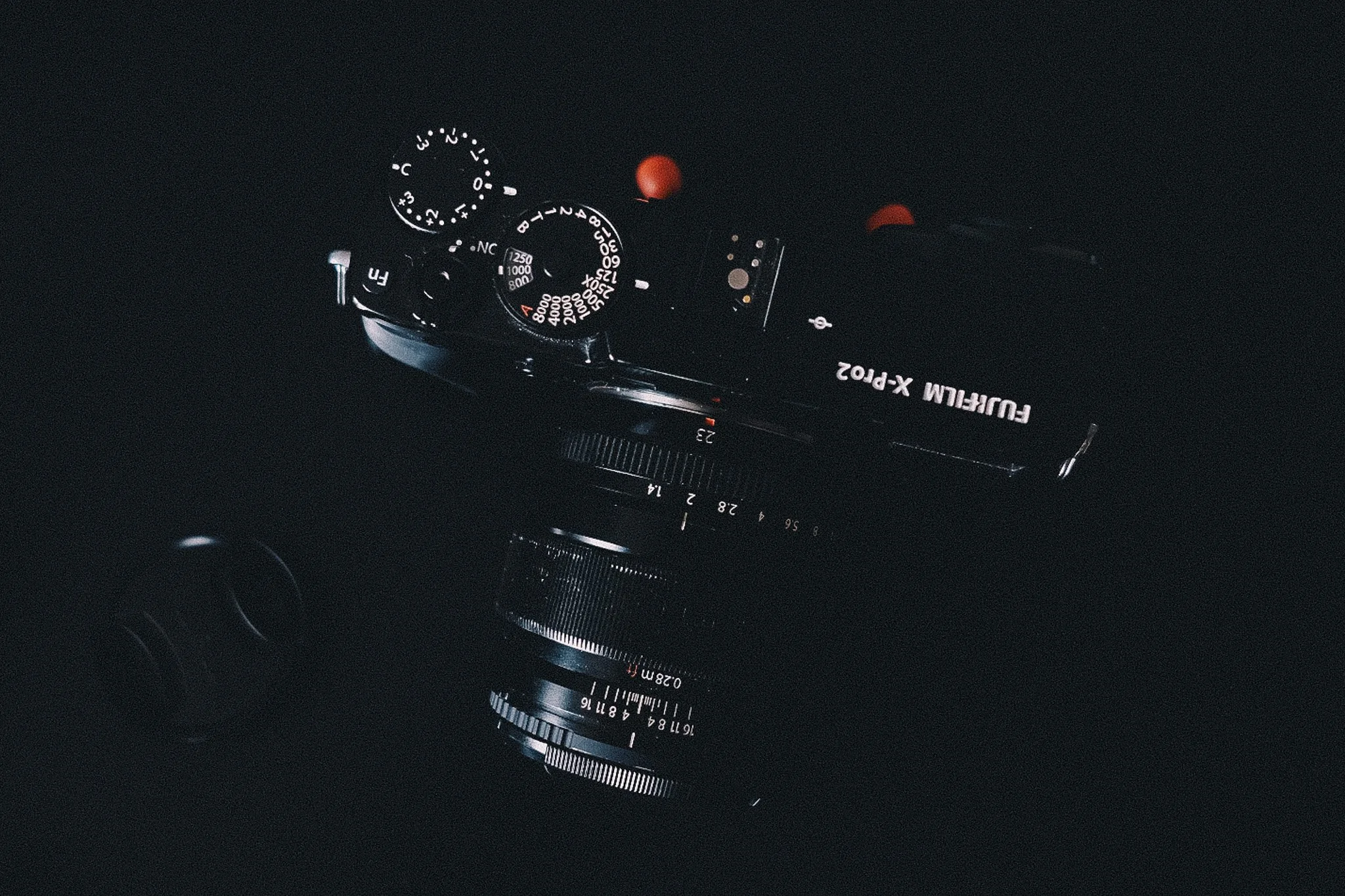
The XPro2 has been one of my favourite cameras to carry around. It looks nice, it feels solid, all Fuji cameras are built really well, but this one just felt particularly sturdy. It's the kind of camera that's fun to use, not just functional.
The XPro1 was amazing when it came out, but the autofocus was painfully slow. The XPro2 fixed that.
The XH1 and XH2, on the other hand, feel more like cameras built for work. They look and feel professional in a different way. So I had options depending on the mood I was in, the XPro2 for fun, the XH bodies for the serious stuff.
As for the XT1, thats just a nice little reminder of what once was and how it started.
THE SHIFT FROM SLR TO DIGITAL VIEWFINDER
Shooting Fuji has changed my approach a bit because I came from SLRs. With a mirror, what you see through the viewfinder is what you get. But with a digital viewfinder, it's different. You're looking at a digital representation of your image, and it takes getting used to. The good news is Fuji has a mode where it boosts the viewfinder brightness so you can see slightly brighter than what the actual image will be, which helps in low light.
You'll also find yourself shooting off-screen more frequently than through the viewfinder, but honestly, most people are doing that nowadays anyway. It's just a different way of working, and once you adapt, it becomes second nature.
WHY FUJI WORKS
If you like stylised images and you want a camera that feels like a film camera, with mode dials and that classic aesthetic, then Fuji is perfect for you. But don't be scared of what you think it can't do. Video isn't necessarily what Fuji's known for, but I've shot video on my XH1 and XH2, and I've gotten fantastic results. The XH2 especially has really good internals built for video. It's more than capable across the board.
Plus, the XH2 is a 40-megapixel camera. That's one of the largest pixel counts on a sensor of that size, so you're getting serious bang for your buck. You get incredible-looking images with that classic, timeless feel, not super modern like a Sony or Canon, but genuinely beautiful.
And the lens ecosystem is extensive. Old Fuji lenses from when they first started are very reasonably priced these days. You'll want to keep an eye out for newer lenses that work better with the high pixel-count bodies, but overall you're in good shape.
The range is massive too. Whether you're on a tight budget starting out, or you're ready to invest more, you can get into Fuji at any price point. The only thing they don't have is full-frame, so if that's a dealbreaker for you, this isn't the system. But if you're happy on APS-C, you're golden. Fuji's in a really good place right now, and there's something for everyone.
LOOKING FORWARD
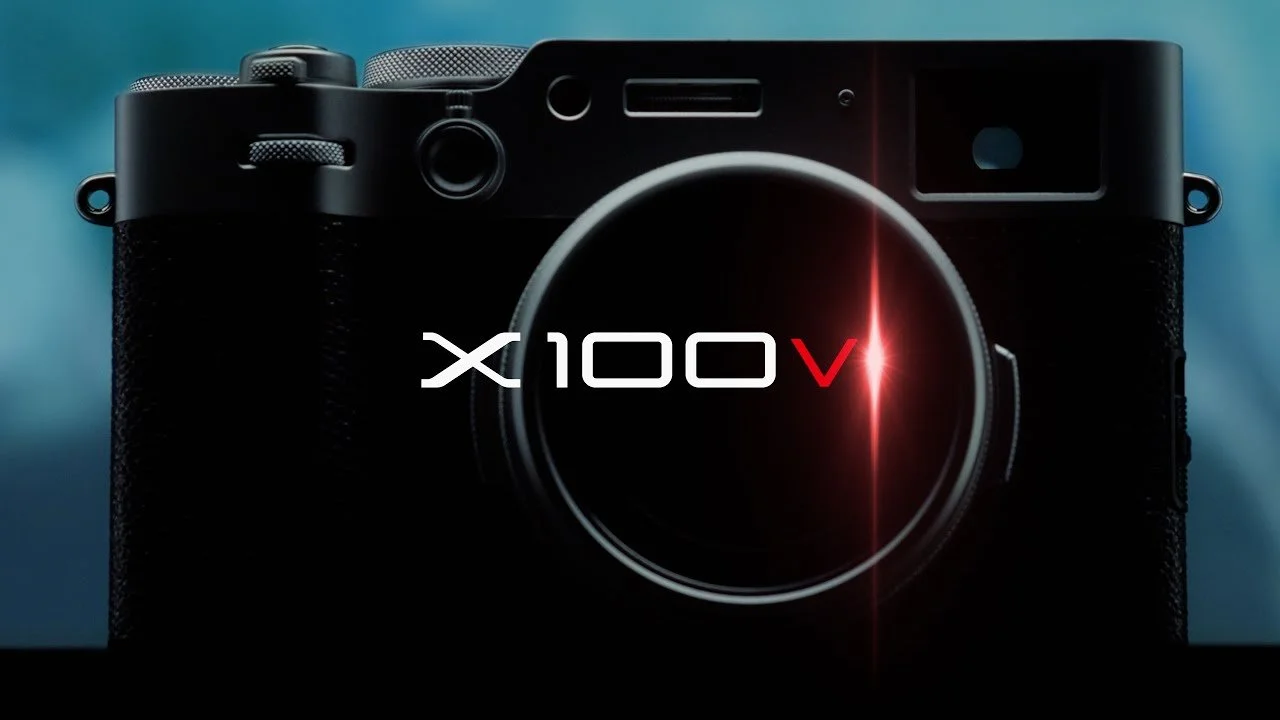
One camera I've been after for the past year is the Fuji X100VI. Over my time shooting cameras, I've had the X100S, the X100T, and the X100F. But this one is a much more refined model. And whilst I'm writing this blog, an order has been placed for the X100VI.
What this does mean is that I'm gonna have to make some cutbacks and consolidation. The XPro2 and XT1 are helping fund that purchase. As sad as it is to see them go, it makes sense. The XH1 and XH2 are my main workhorses, but they're bigger cameras. I don't always want to carry them everywhere. The X100VI, as part of that iconic lineage that first caught my eye at Jessops all those years ago, is the perfect everyday carry. Years of refinement across multiple generations, an iconic camera that's genuinely hard to get hold of right now because of how sought after it is.
It'll sit alongside the XH bodies perfectly. Why consolidation made sense and what the X100VI brings to my actual workflow, that's something I'll explore properly in a future post.
Fujifilm X100 VI image from
https://www.fujifilm-x.com/en-gb/products/cameras/x100vi/