Gear Acquisition Syndrome Is Real
When I worked the shop floor at Jessops, I saw it constantly. New cameras would arrive, people would want them, and sometimes they’d buy them. I wasn’t immune to it either. See something cool, get curious about a new feature, wonder if it might help. That pull exists for anyone who cares about their craft.
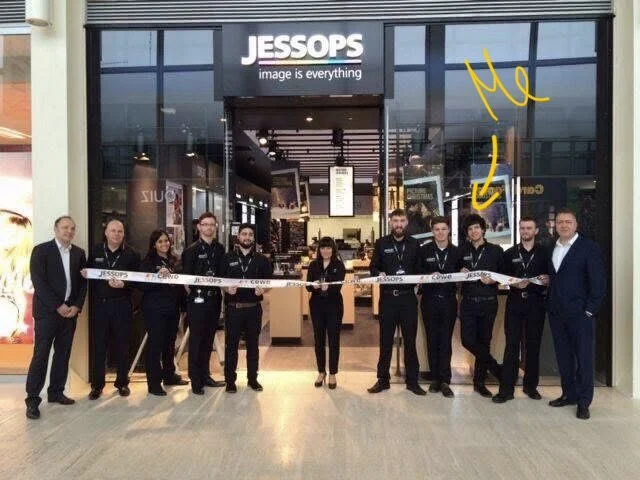
Ironically the lowest resolution photo ever — taken outside Jessops Milton Keynes (2014). Who took this and with what? 😂
The difference now is I’m more aware of it. Social media makes it worse, there’s always someone showing off the latest body or lens, always a release cycle to keep up with if you want to. But here’s the thing: wanting gear and needing gear aren’t the same.
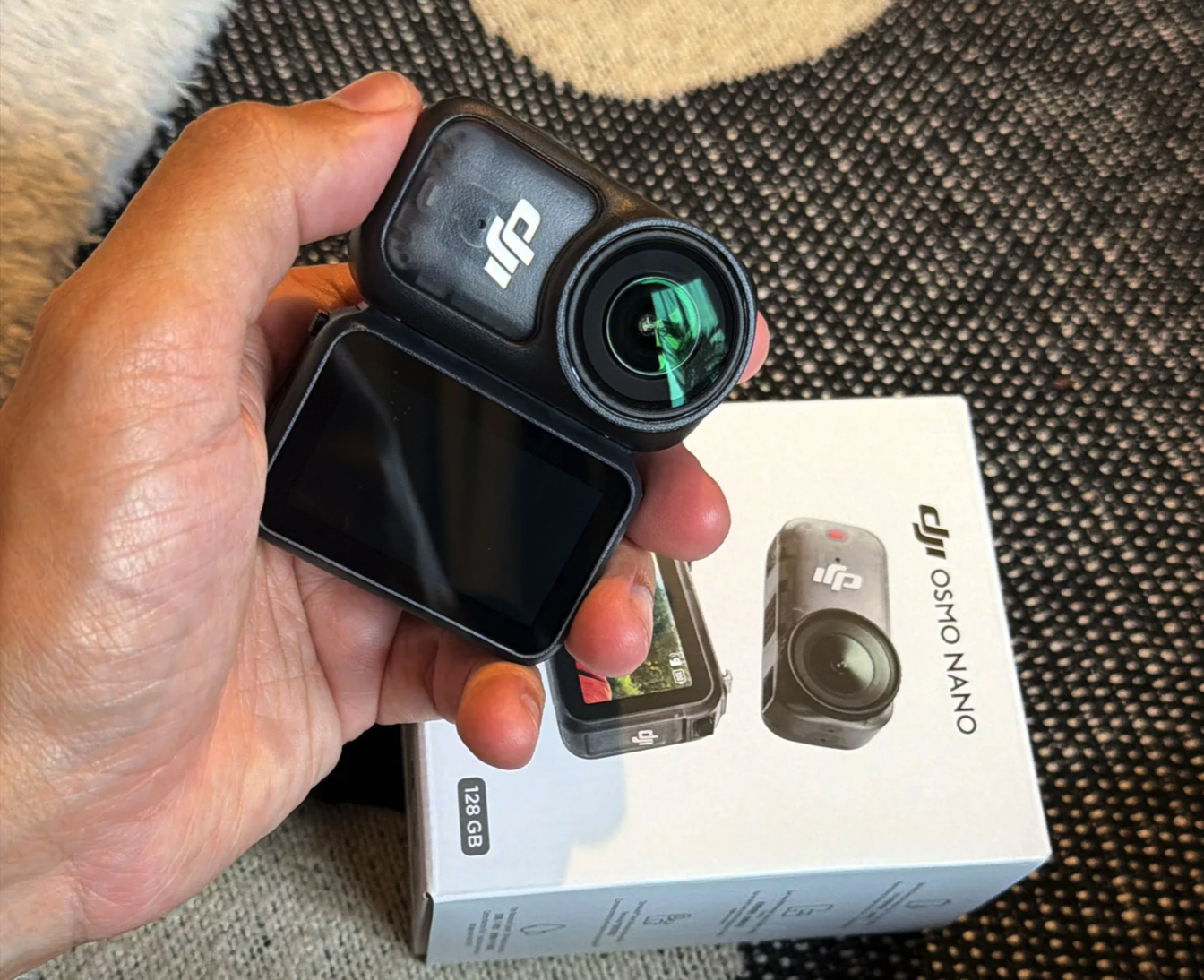
I’ve bought plenty of things thinking they’d solve a problem or make my life easier. A smaller camera to carry around, thinking I’d actually use it. Spoiler alert, I didn’t. Most of the time, the gear you’ve already got is enough.
I learned that early on when I was actually shooting, not just looking at stuff in a shop. You get a real job, you use what you have, and more often than not it does the job fine. There are moments where gear genuinely helps. When I started doing food photography, investing in a macro lens made sense, it’s a specific tool for a specific job. But that’s different from buying something because it’s shiny and new.
The real shift for me came earlier this year. I’d been shooting Canon DSLRs for ages—a 6D, a 5D Mark Four. Good cameras, reliable, did everything I needed. Then I took my old Fujifilm X-T1 to a gig, something I’d always loved using. I shot maybe half a set with it and remembered why I liked it so much.
I mentioned it to another photographer, that it felt wrong using an older camera alongside the Canons. His response was simple: if it’s getting the job done, why does it matter?
That stuck with me.
So I made the switch to Fujifilm across the board. But here’s the important bit, it wasn’t about chasing something new. It was because I genuinely preferred how the gear felt, the colors the cameras produced, and Fujifilm had the mirrorless tech I needed for video work. Everything lined up. It made sense.
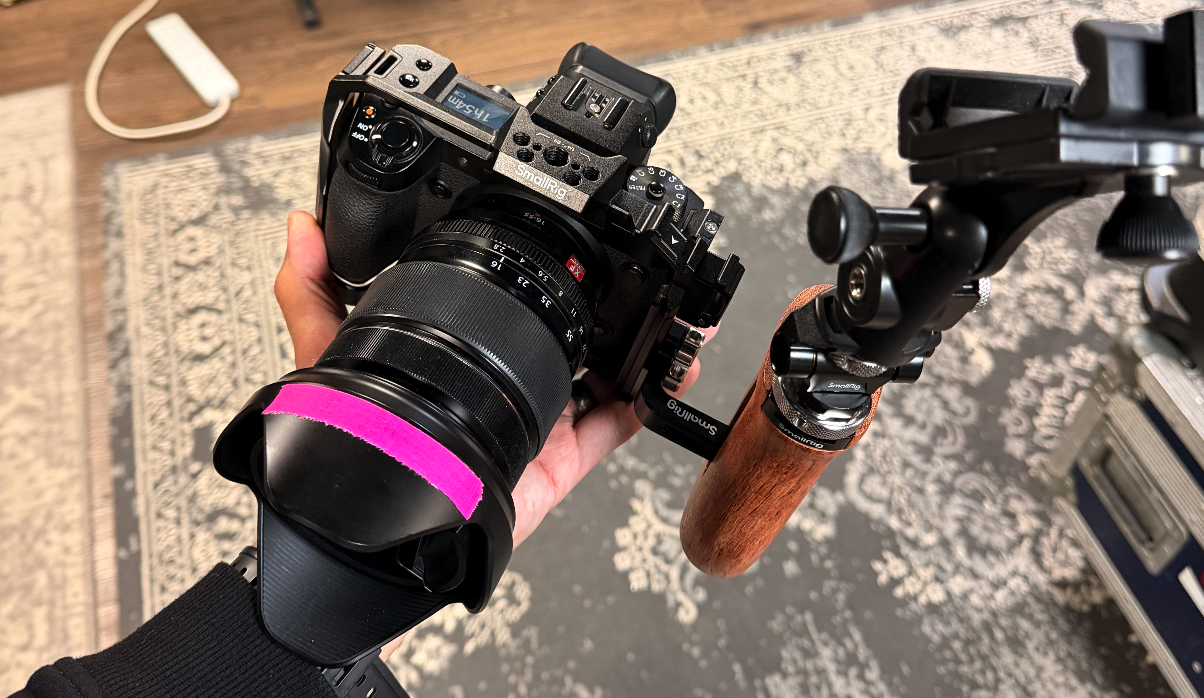
Now I’ve got an X-T1, X-Pro2, X-H1, and X-H2. Different lenses for different jobs. Do I want a longer portrait lens for shallower depth of field on shoots? Yeah. A longer zoom for reaching across stages at gigs? Sure. But I’m not in a rush. The gear I’m using right now is doing the job. When I actually need those things, that’s when I’ll get them. And I think that’s the sweet spot, knowing what would be nice without feeling like you need it immediately.
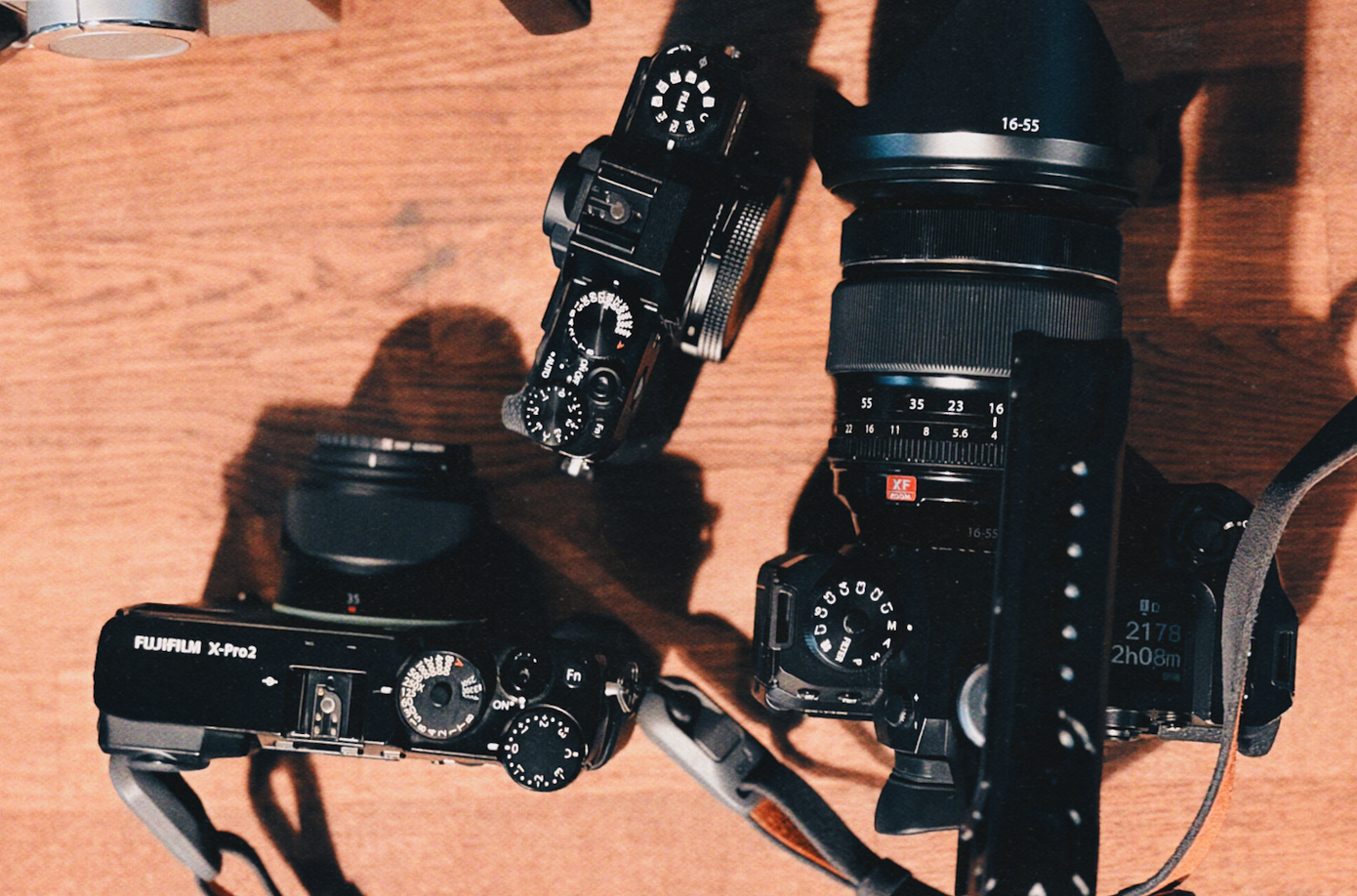
If you’re just starting out and worried you don’t have the right gear, you’re overthinking it. You won’t know what you’re missing until you’re actually out there shooting. Get out there with what you’ve got and see what happens. You might surprise yourself. And if there comes a point where your gear genuinely can’t do what you need, you’ll know it. That’s when you upgrade. Not before. Not because someone online is using something fancier. When you actually need it.
The photographers I know who’ve been doing this for decades, some still shoot film, some use the latest digital bodies. There’s no one path. But I’d say this: lock in with something that feels right. Use it properly. Get to know it inside out. And when you do upgrade, make sure it’s for a reason that actually matters to your work. Five to ten years between upgrades is realistic. Not every year. Not every time something new drops.
The gear you have is probably better than you think it is. And that’s worth remembering.