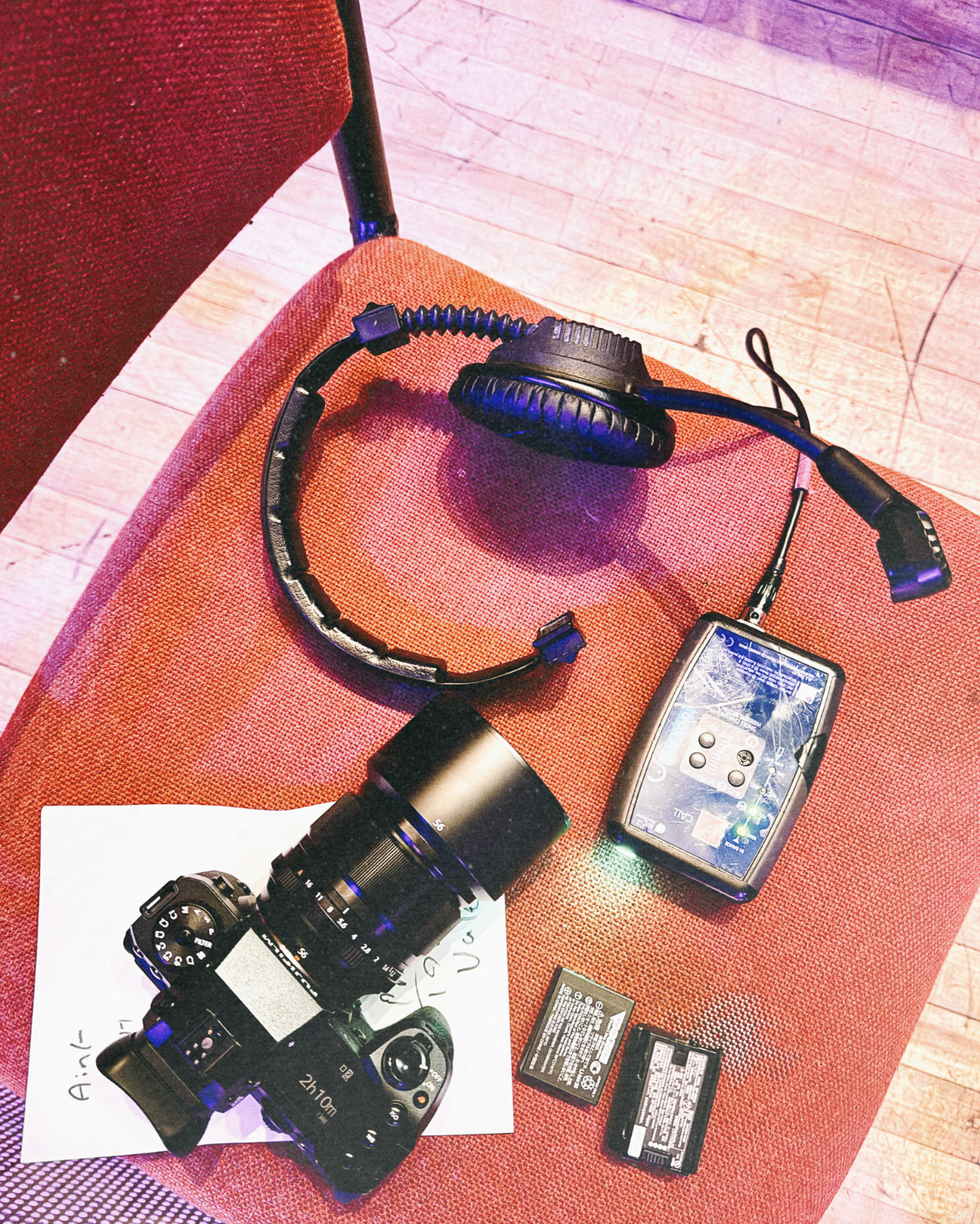
From Photographer to Multimedia Creator
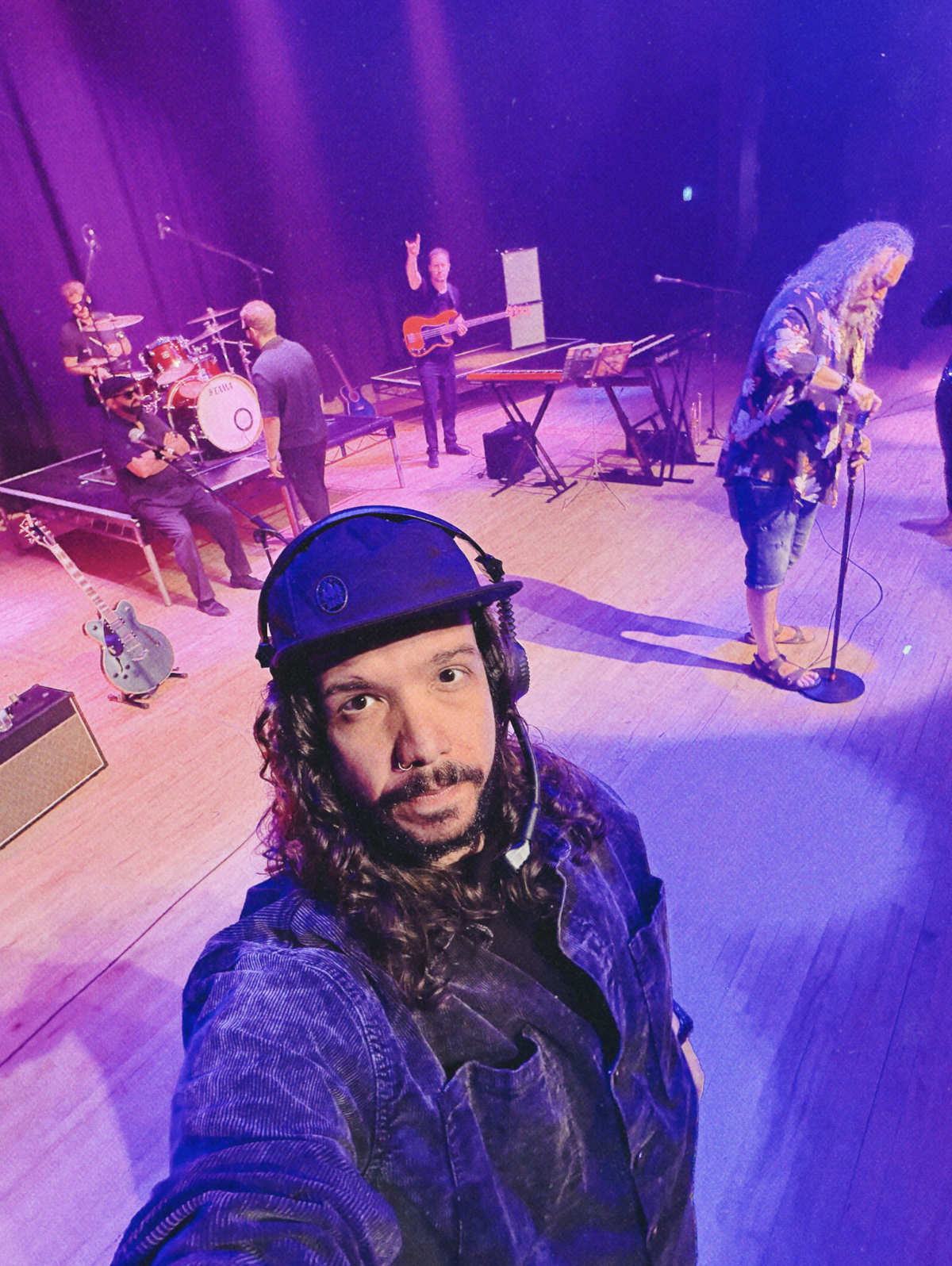
When I started shooting in the early twenty tens, photography was photography. You picked up a camera, you learned your craft, and you delivered photos. It was simple. Clear. Focused. Fast forward to now, and I'm shooting photo and video on the same job, often at the same time. The lines have blurred so much that I'm not sure they exist anymore.
It's not that video snuck up on me. I've been doing bits of it for years, ad hoc stuff alongside the main photography work. But somewhere along the way, it became less of a side thing and more of an expectation. Clients don't just want photos anymore. Or they don't just want video. They want both. And honestly, I think they're right to expect it.
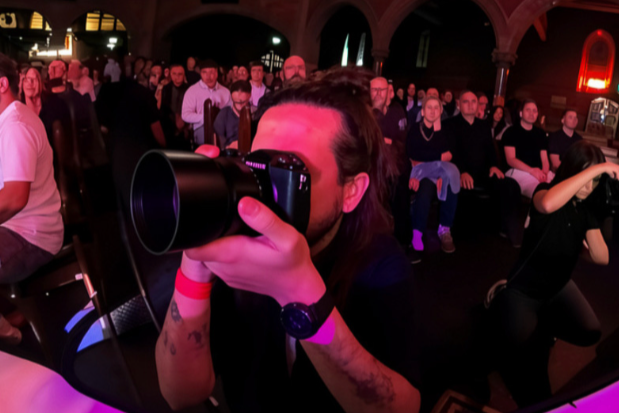
Here's what I've noticed: clients are more informed than ever. They know what's possible. They know what they could have. But because there's so much choice now, they're also kind of guessing at what they actually need. They can't always afford everything, and they're trying to work out what matters. That's where being able to offer photo and video together actually helps. It's one less decision to make.
The tricky bit is the actual capture. If you're filming, you're probably missing something for a photo. If you're focused on stills, you're missing video moments. It's juggling two things at once, and it took me a while to figure out the best way to do it. Now, if I'm hired for both, I'll often bring a second shooter along. It means the client gets everything without me having to choose between one or the other.
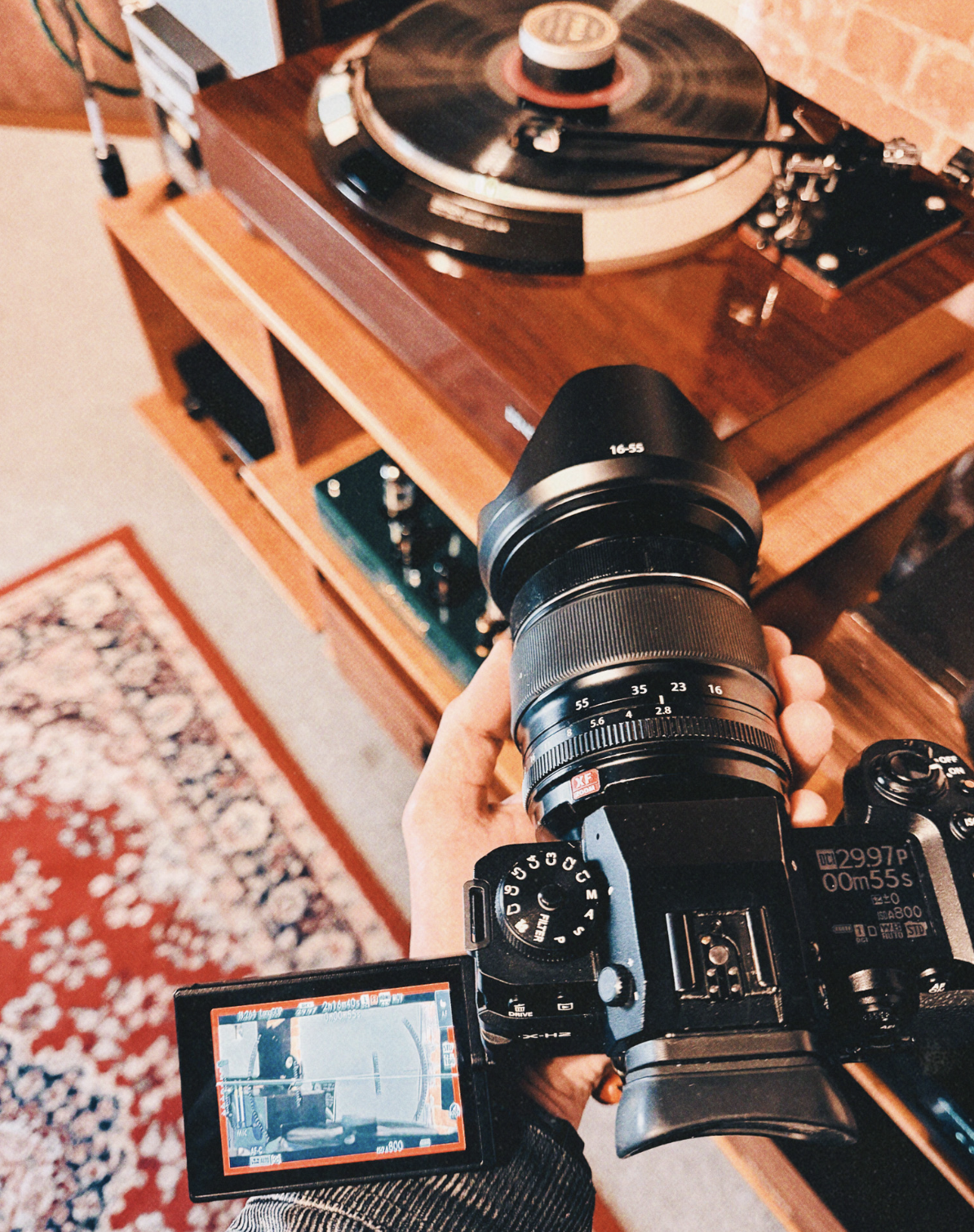
When I first started doing both together, it felt like a natural progression. I've always been comfortable with both camera types and the tech side of things. But video isn't the same as photography. You've got to learn how to move with it, how to tell a story through motion, how to edit it differently. Some skills transfer over—composition, lighting, timing. But you're definitely learning new things too.
The honest truth is that doing both has made me better at each one. Video taught me things about pacing and movement that make my photography stronger. Photography taught me about stillness and moments that make my videos more intentional. They feed each other.
I still let my photos lead on the website. I think there's something about a strong image that shows people you've got an eye for this. But I'm always ready to share video work too—either on Instagram or directly in quotes if I know a client would benefit from seeing it. I haven't cracked the perfect way to showcase video on the main site yet, but I'm working on it.
Looking ahead, I don't know what comes next. Maybe audio becomes the thing everyone needs. Maybe VR. Who knows. But I do know that specialization is fine. There's nothing wrong with being a photographer or a videographer. But if you're selling yourself, I reckon your skills should be transferable. You should be able to offer more, even if that means working with other creatives. And if you can do it yourself, brilliant. That's when you're really operating as a multimedia creator.
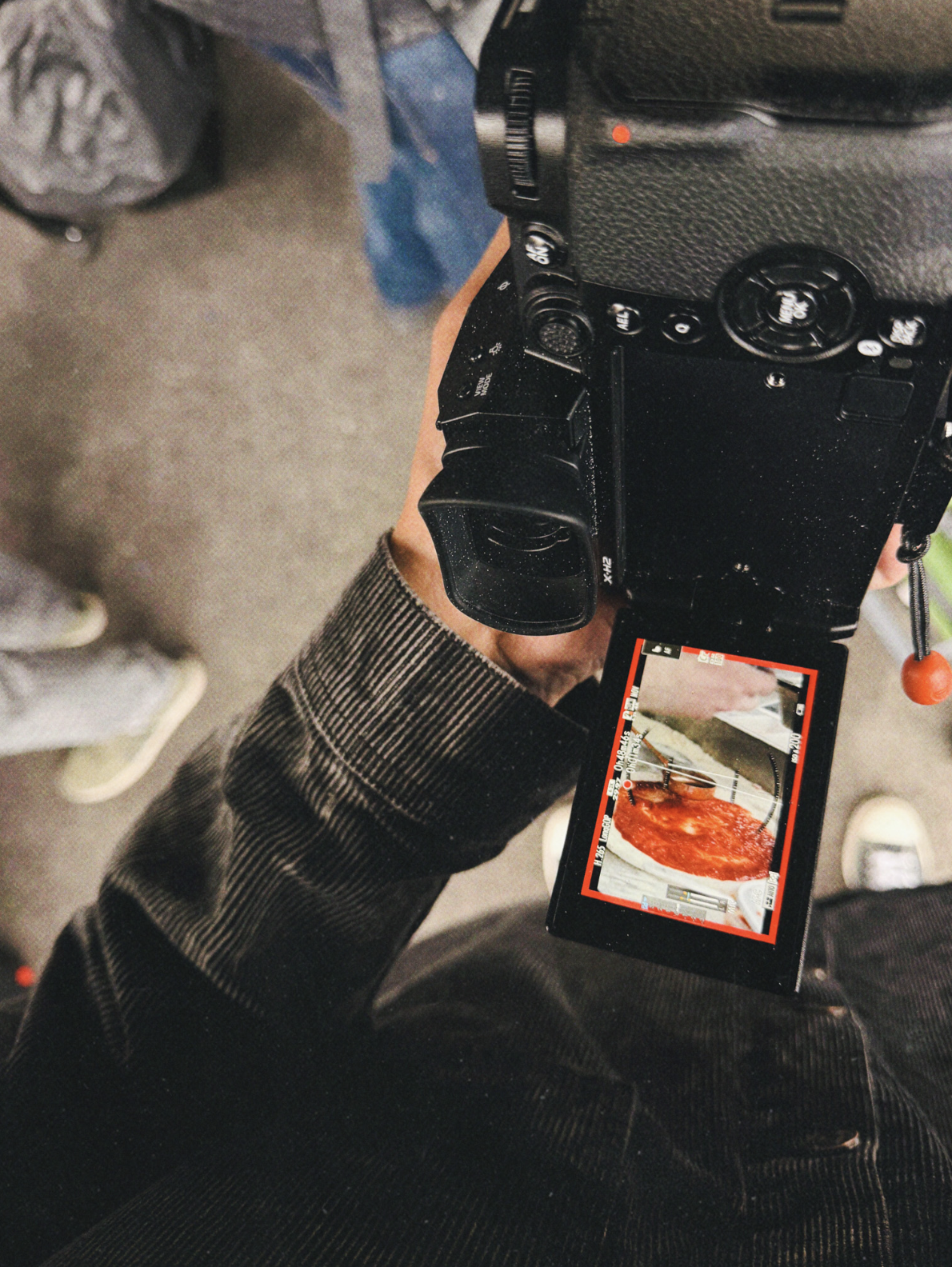
If you're a photographer thinking about adding video, my advice is to play around with it first. Do it for fun on a creative project. Don't offer it to clients until you've got a few things under your belt. Learn how to edit, understand the file formats, get comfortable with the media side of it. But start. Because if you're already in photography, you'll pick up video faster than someone starting from scratch. And with the cameras we've got now—most of them can do both really well—why wouldn't you?
The biggest shift for me is that I feel more creative now. I'm not losing anything by adding video. I'm gaining perspective, storytelling tools, and the ability to show clients something richer. That's pure gain. And that's honestly the only reason I'd recommend anyone else do the same.