

Why Gen Z Might Save Photography
I've been noticing it more and more, across students, across that whole generation, across creatives, and honestly across pretty much anyone who wants to take a photo. Younger photographers and casual shooters alike actively choosing older, worse cameras on purpose. Screenless digital compacts, disposable style lenses, the kind of gear that would have been considered outdated fifteen years ago. I see it constantly now, all over Instagram and TikTok, that low fidelity, slightly broken aesthetic being chosen on purpose.
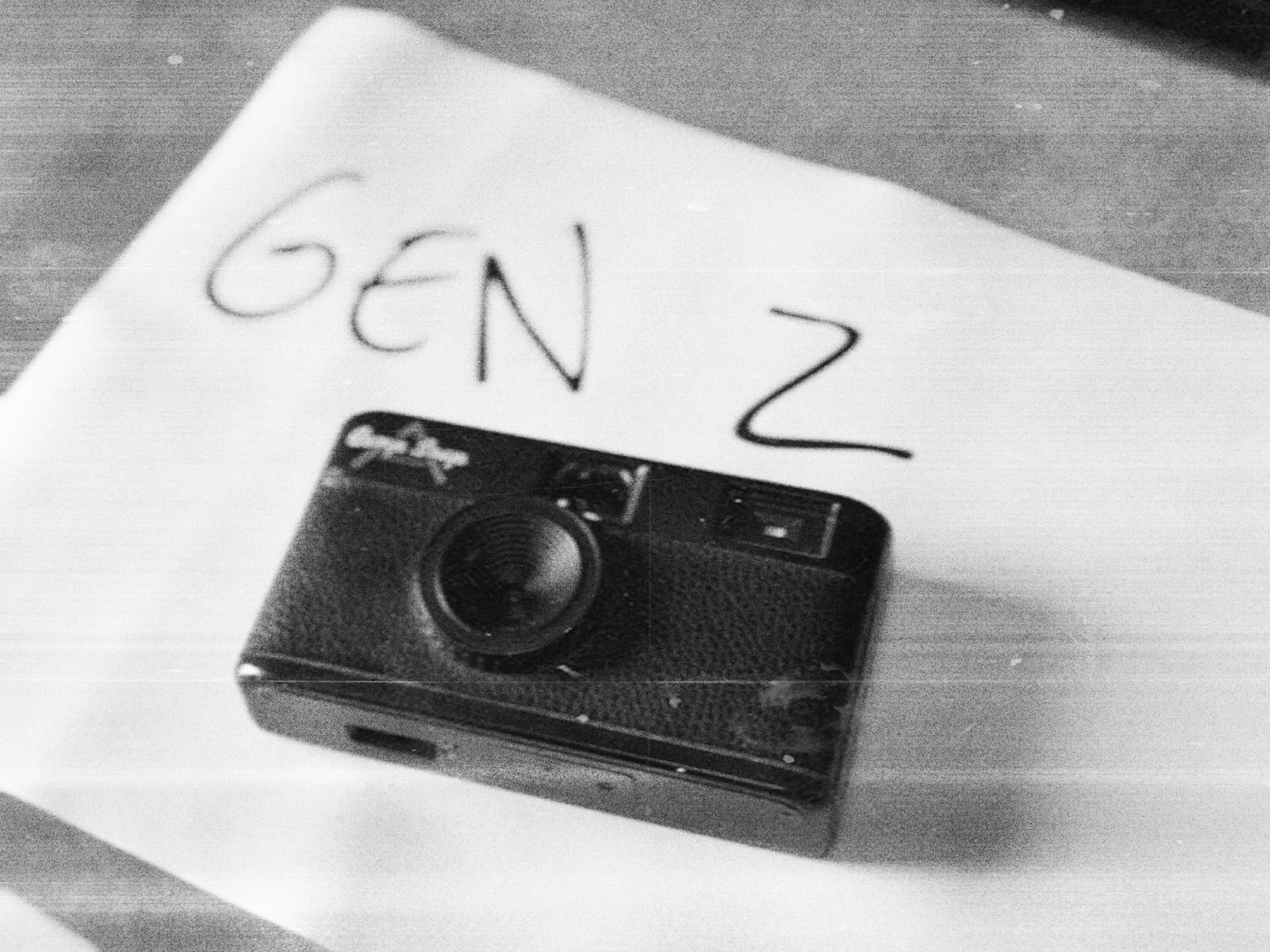
It makes sense once you think about why. These generation have only ever known phone cameras that are genuinely good. Every generation before them went through a period where a proper camera clearly beat whatever was in their pocket. Gen Z and Gen Alpha never had that. So picking up an old digital compact isn't really nostalgia in the traditional sense, because they weren't there for it the first time round. It's more like the way millennials romanticise the sixties and seventies without having lived through it. Borrowed nostalgia for an era that isn't really theirs, but feels good to reach for anyway.
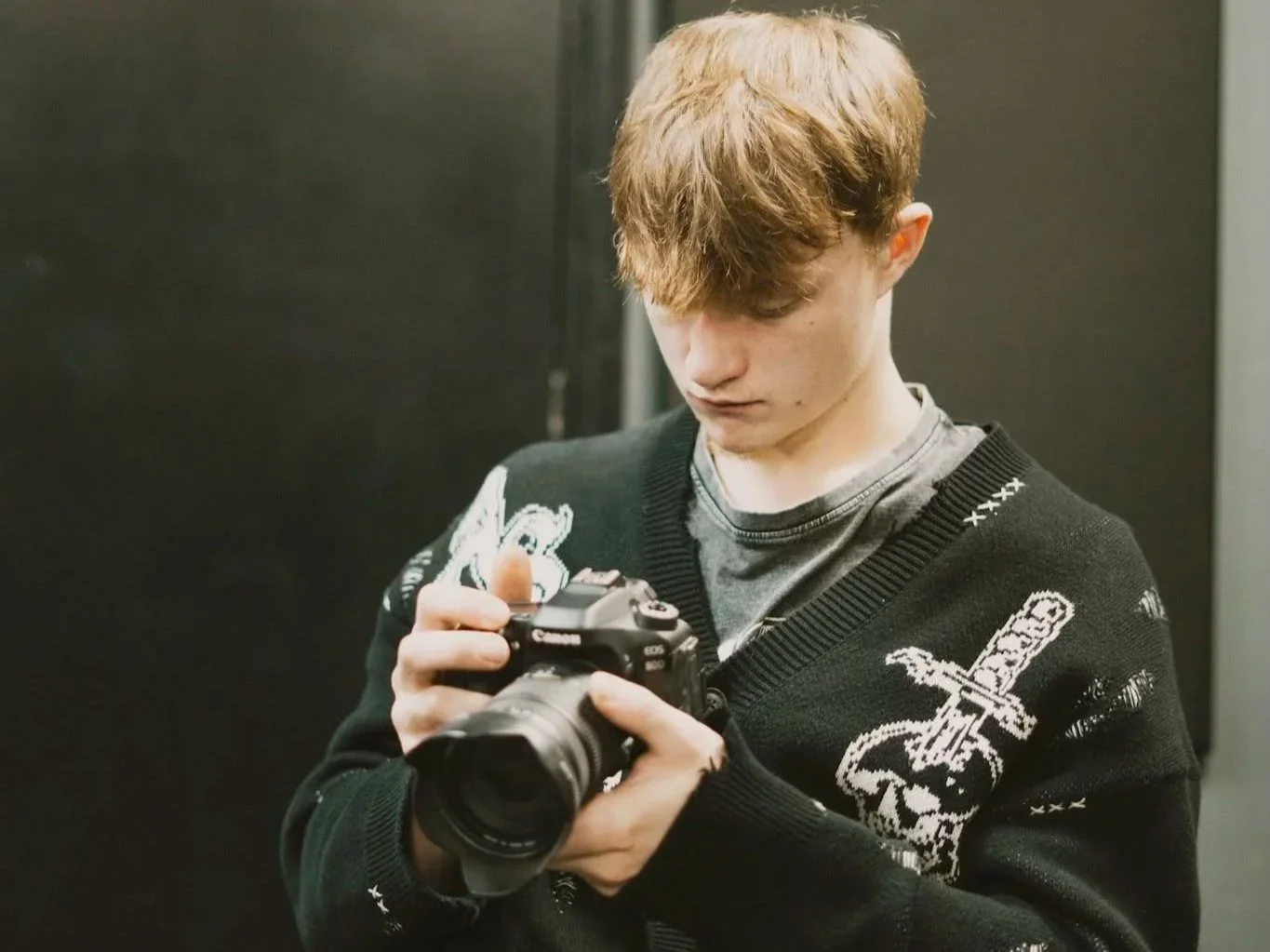
There's something else going on underneath it too, and I think it's tangled up with AI. This generation has grown up being told to chase whatever's newest, whatever's next. And now, at the exact moment AI generated content is everywhere, a lot of them are actively stepping backwards instead. Choosing a camera with no screen, choosing blur, grain, bad flash, imperfect framing. It feels like a quiet rebellion, a generation that could have anything instant and polished, deciding they'd rather have something more deliberate and imperfect instead.
I think that matters for photography as a whole, not just as an aesthetic trend. At some point, and I think we're getting close to it, everyone will have access to AI generated imagery, and it'll all start to look the same, generic, forgettable. When that happens, real photography stops being the default and starts being the premium option, the thing people actively seek out because they know it's real. That shift depends on enough people caring about the difference, and given the younger generations are the ones businesses are marketing to right now and for the next decade, if they're the ones pulling back towards authenticity, that carries real weight.
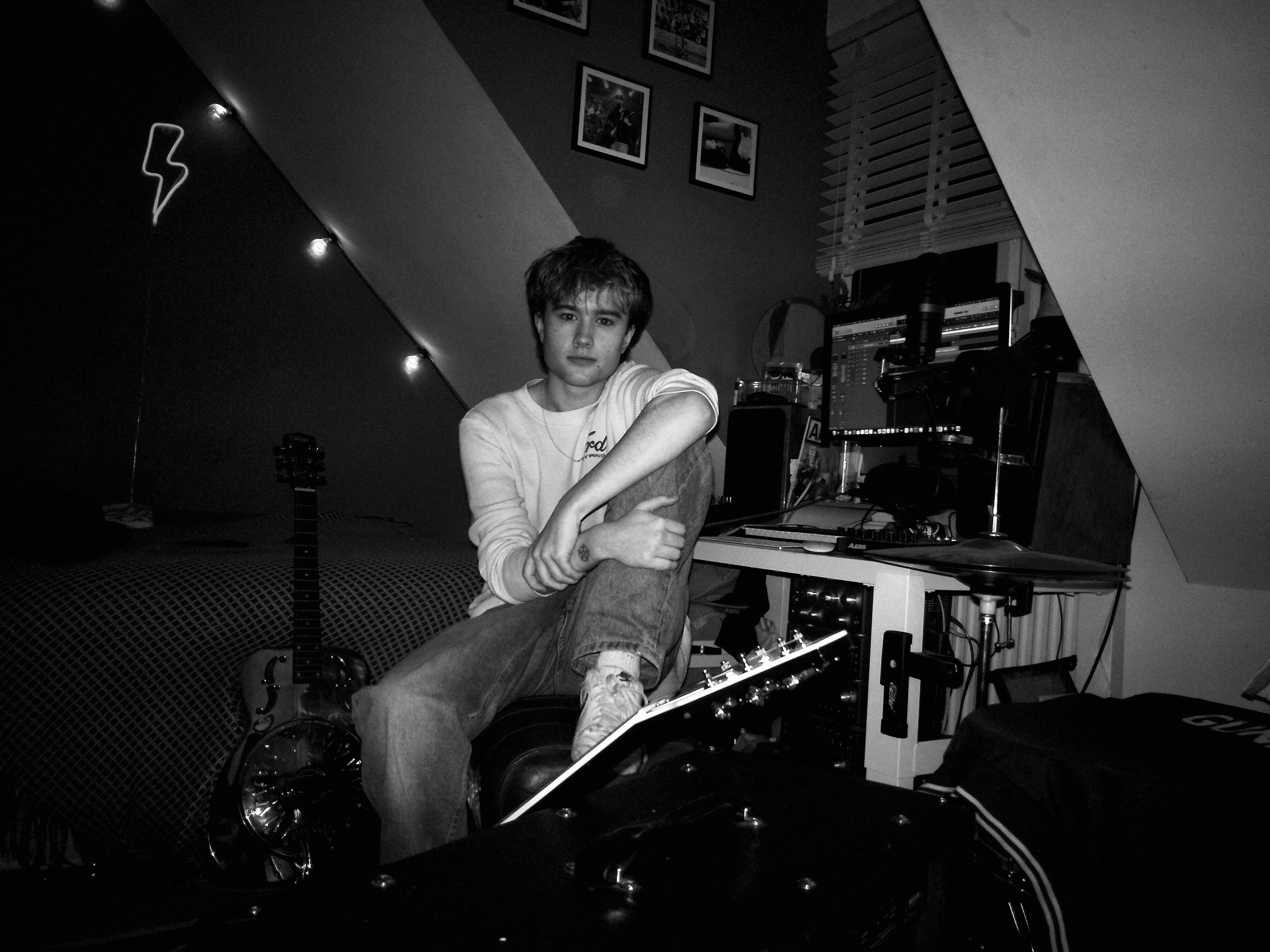
(A shot I took for a young musician I worked with, who preferenced the lower-quality image for is EP cover photo)
I don't think this is only a younger generation thing either. Millennials are a good example, and I'd put myself in that bracket. I've used AI before, still do for some tasks, I'm not going to pretend otherwise, but the more time goes on, the more I find myself pulling away from it, especially anywhere near the creative side of what I do. Storytelling and creativity feel like they should stay human. AI has no real point of reference beyond what it's pulling from elsewhere, it isn't living in the world it's describing.
I hear this from clients too, not because I ask, but because it comes up naturally on shoots. Nobody has ever told me they want AI generated graphics or photos instead of the real thing. Maybe it's fun for ten minutes as a novelty, but when it comes to representing an actual business or an actual product, people want something real. I think a lot of that comes down to cost, AI content is cheap, and right now everything is expensive, so it's an easy shortcut for a business to take. But I think it'll backfire long term. People are getting sharper at spotting AI content, and once you notice it, it changes how you see the company behind it. It makes you question whether what they're selling you is real at all.
Whether this becomes a lasting shift or just a passing trend is hard to call for certain. But I lean towards it sticking, because people are drawn to creating things, not to sitting back and letting something generate it for them instead. A world where nobody's actually making anything sounds like a fairly boring one to live in. And I think there's a bit of anger in this too, a lot of people are properly fed up with seeing AI content everywhere, and that frustration pushes people to actively do something about it rather than just accept it.
You can see it in the work itself. What comes out of these old cameras is rougher, more experimental, more personal. Sometimes it's blurry, sometimes the exposure's off, sometimes it looks, frankly, a bit rubbish. And that's kind of the point.
And that, really, is why I think the younger generations might end up saving photography. Seeing these generations, millennials, and others reaching for old technology, choosing digital compacts and film cameras over AI, choosing authenticity on purpose, is genuinely amazing to watch. I think it's what keeps photography, videography, and content actually made by humans alive for a lot longer yet. Living in an AI world is a strange thing to picture, and I don't think it's all bad, I think it's got its place. But these little nudges from certain generations choosing to do things the real way, that's what we need, that's what we want, that's what we love.