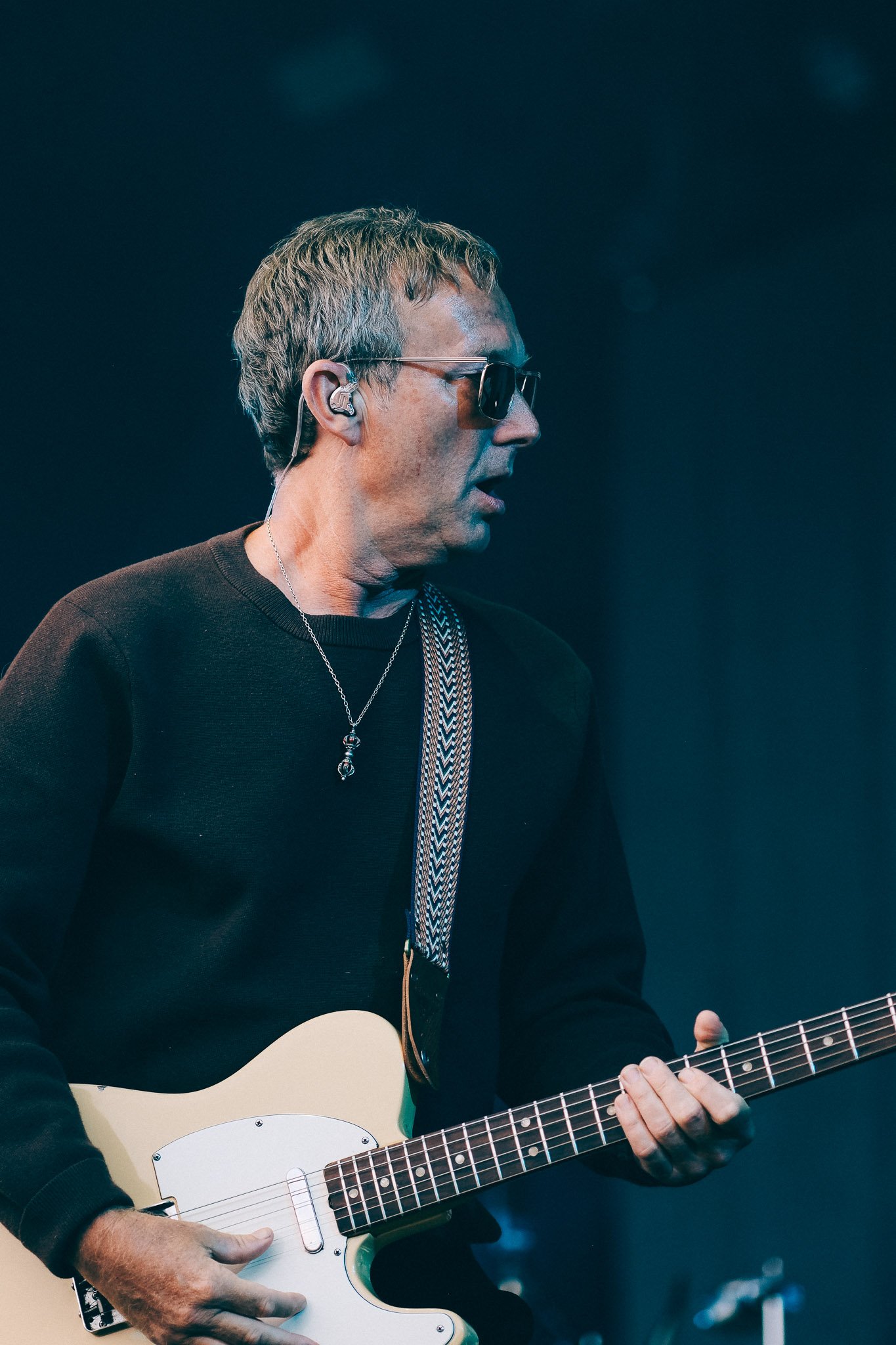
Shooting Paul Weller At Bedford Park
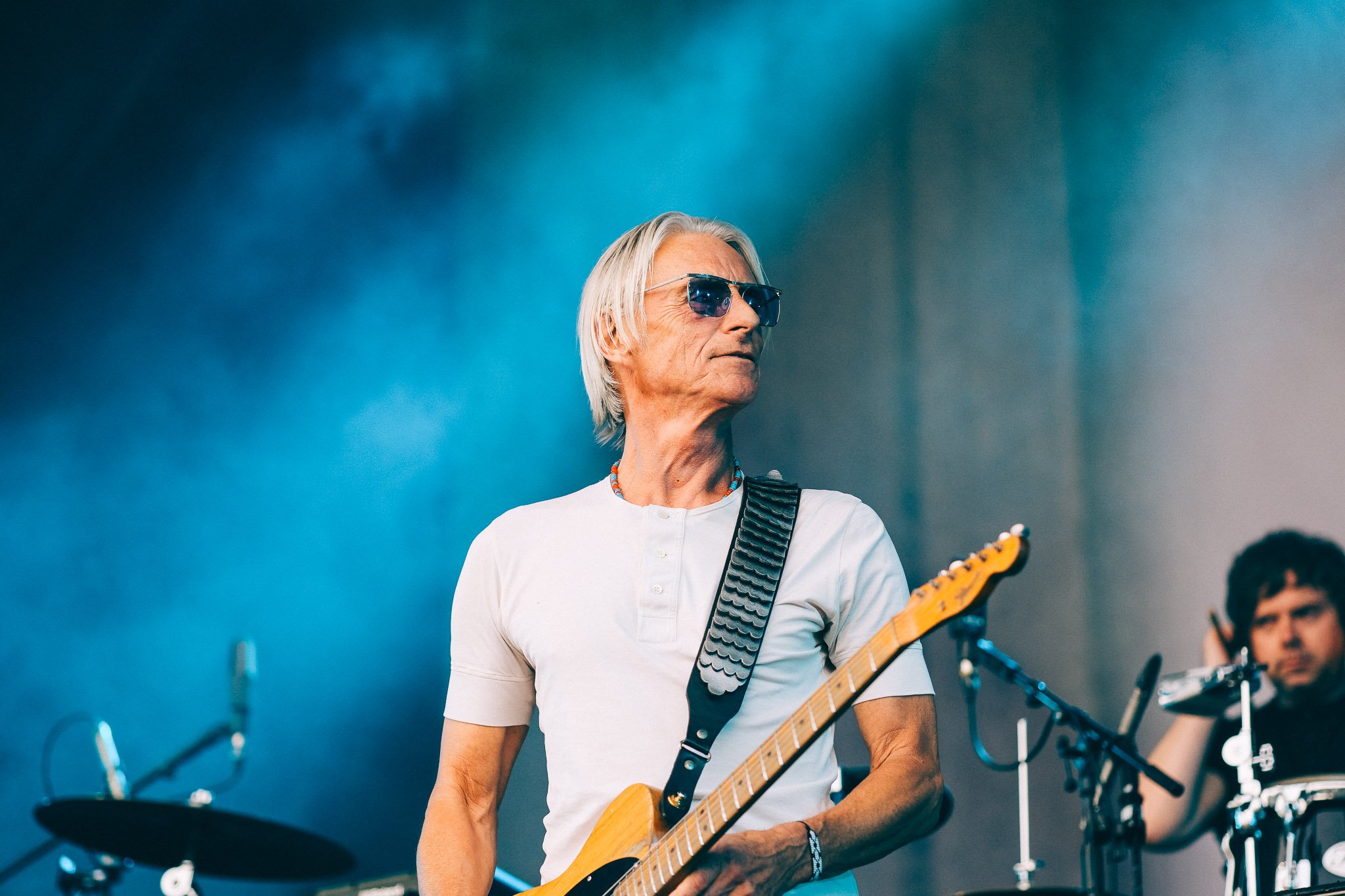
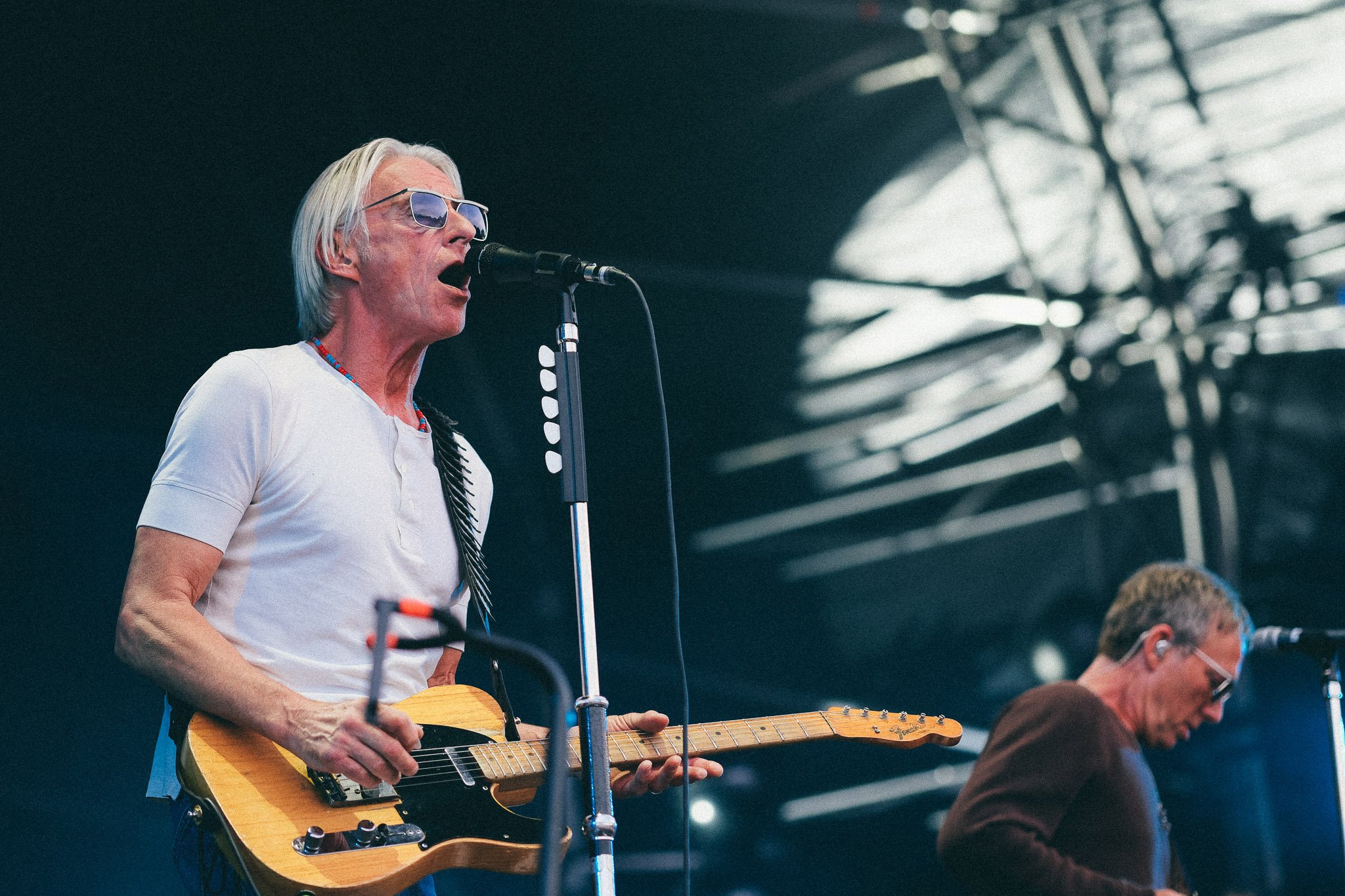
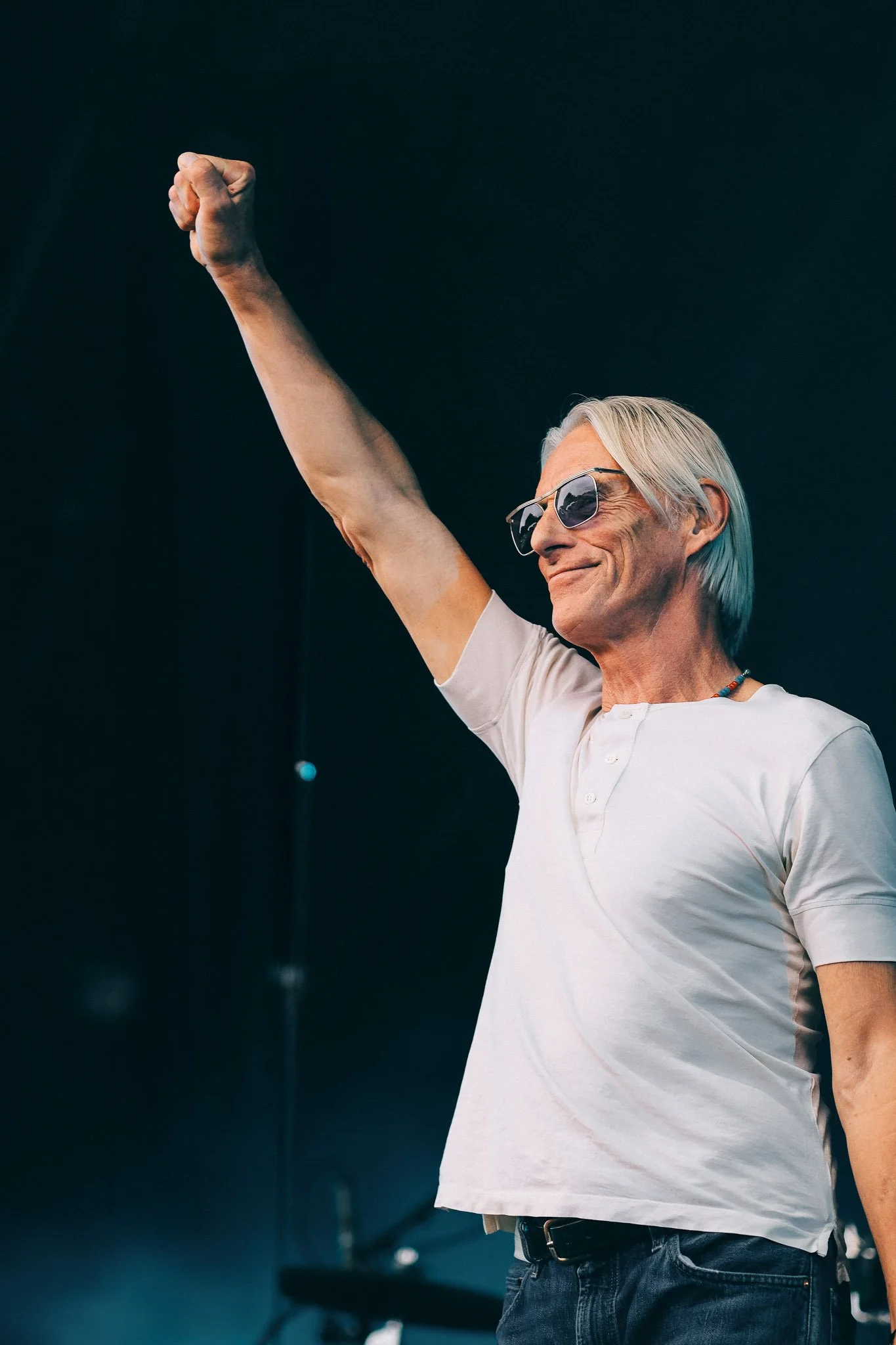
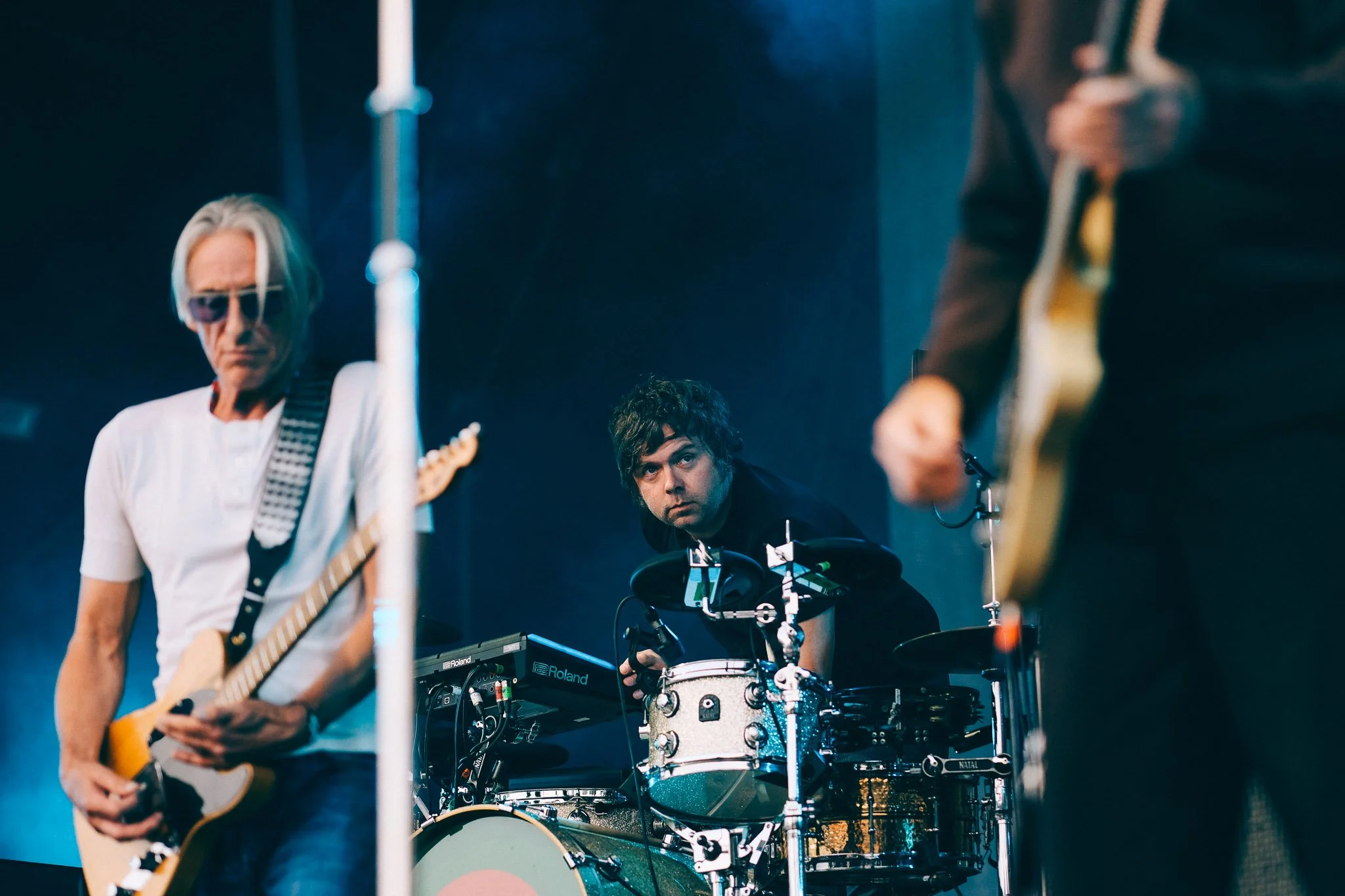
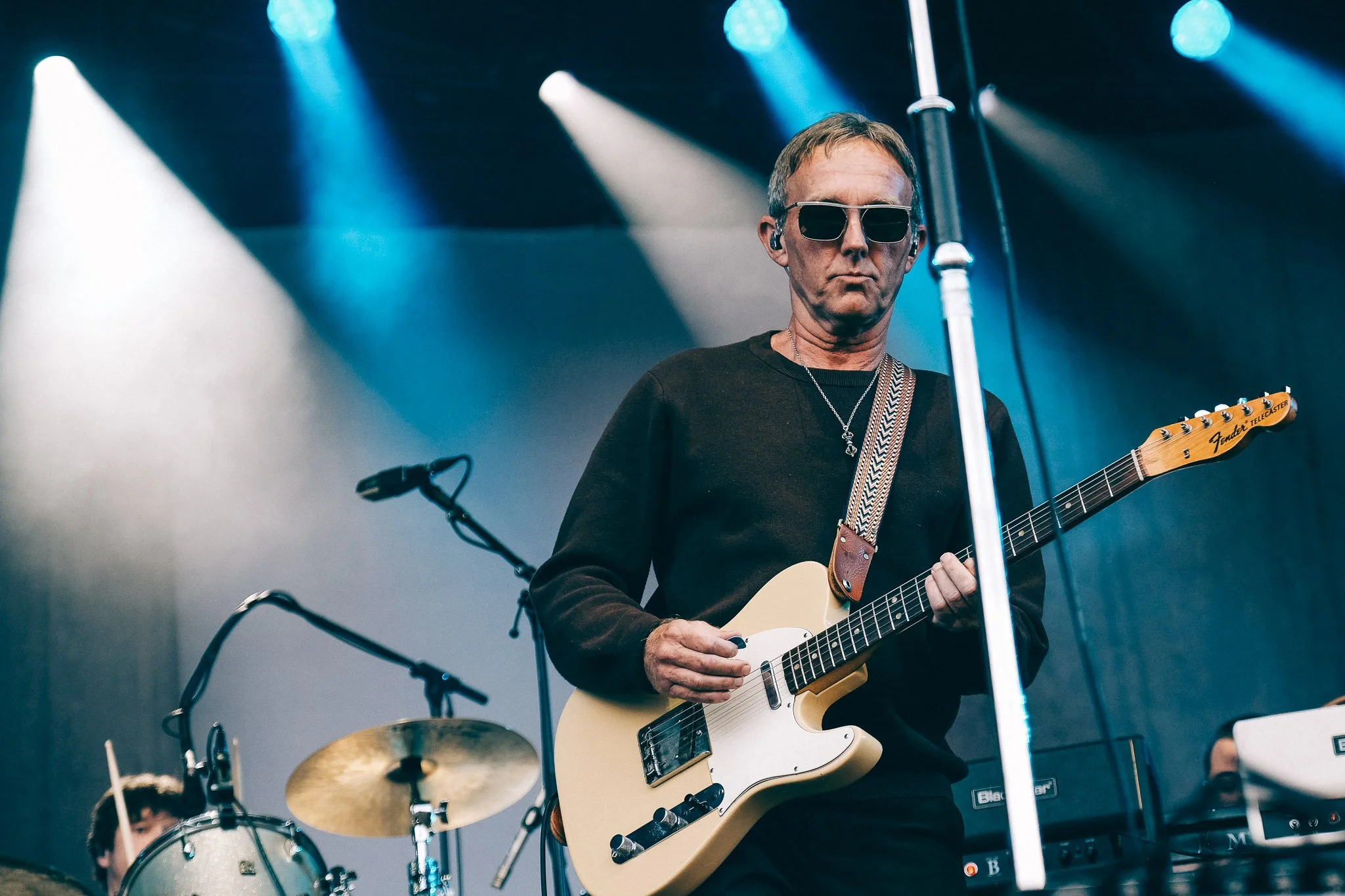
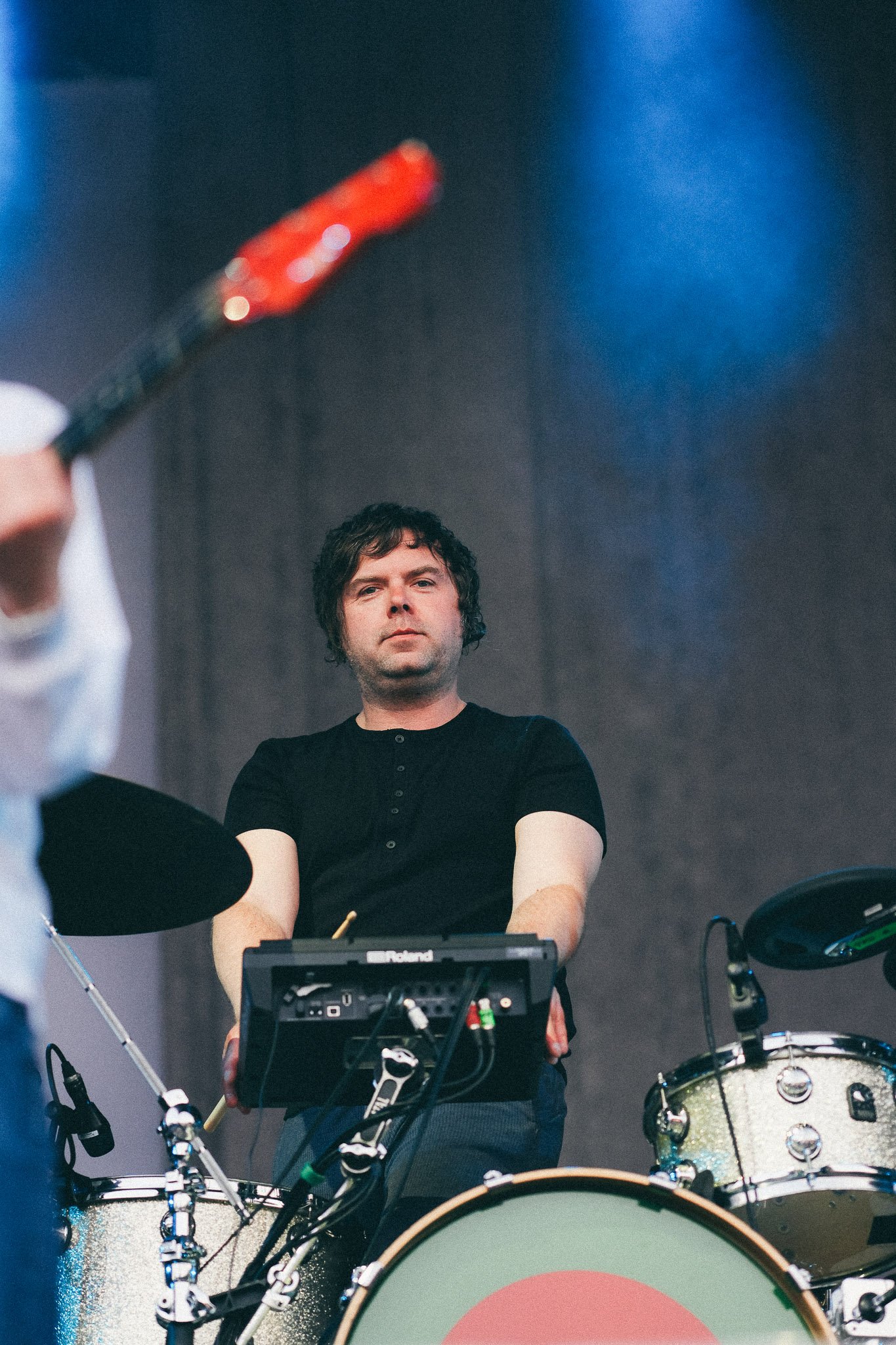
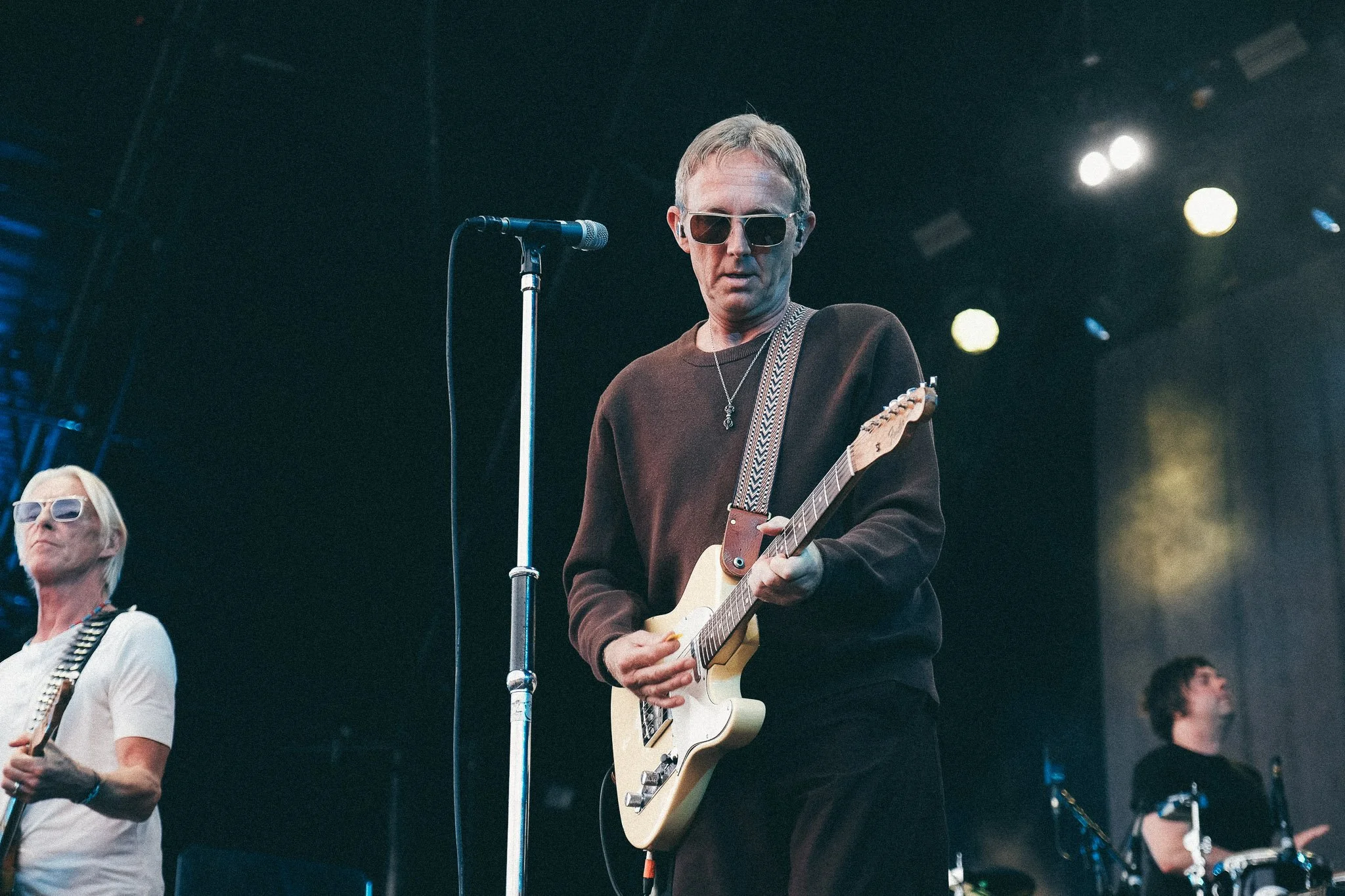
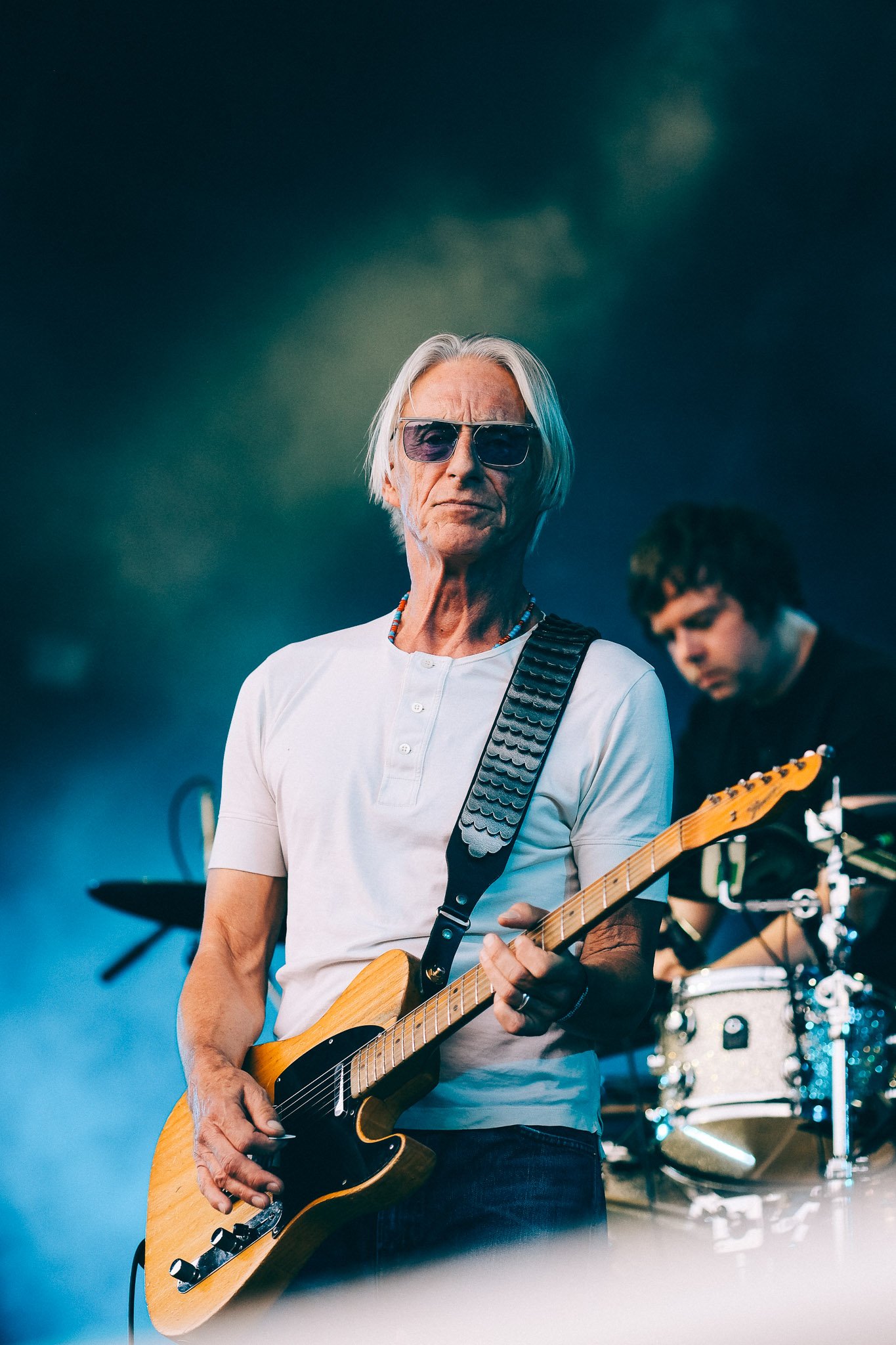
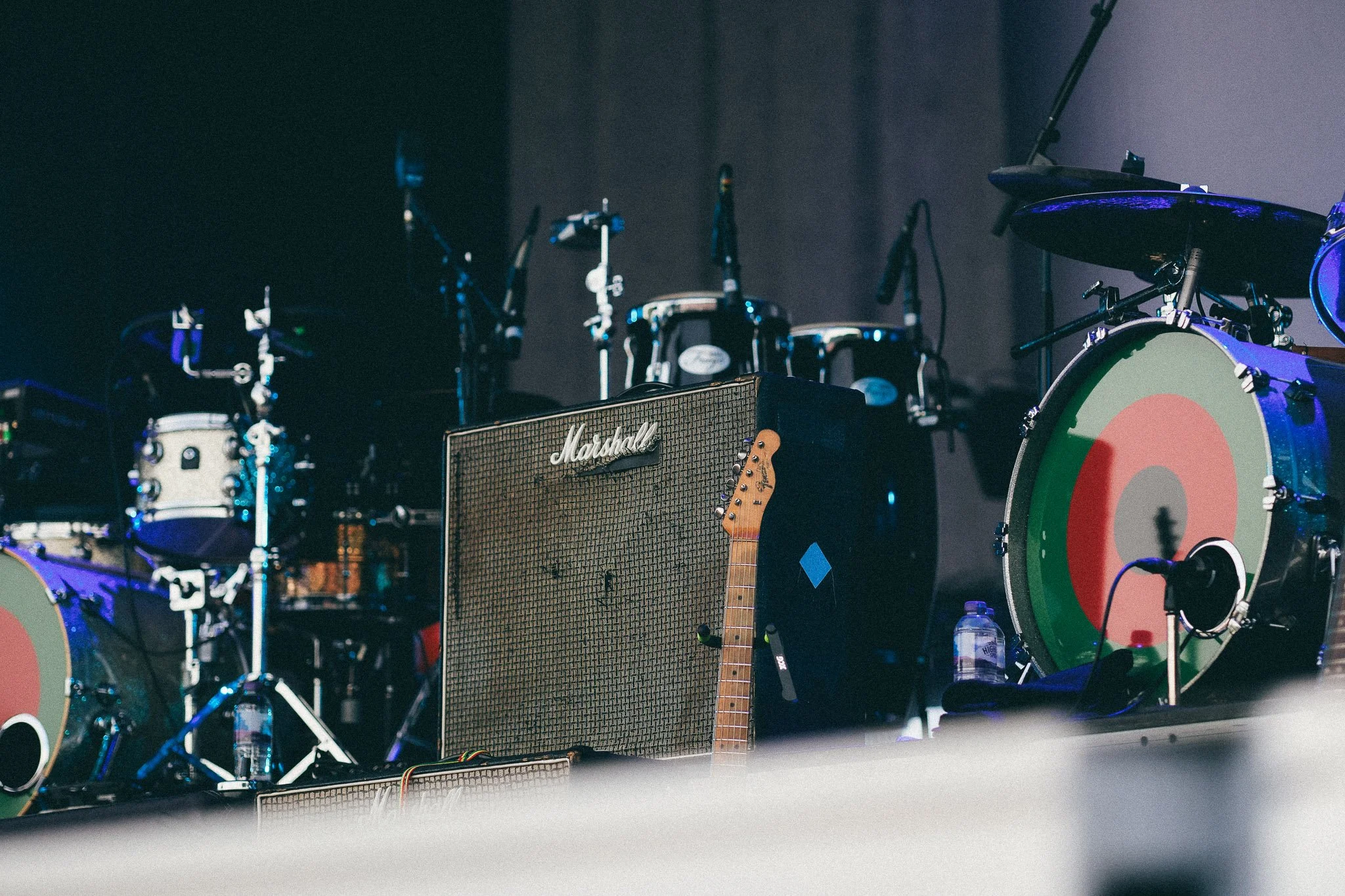
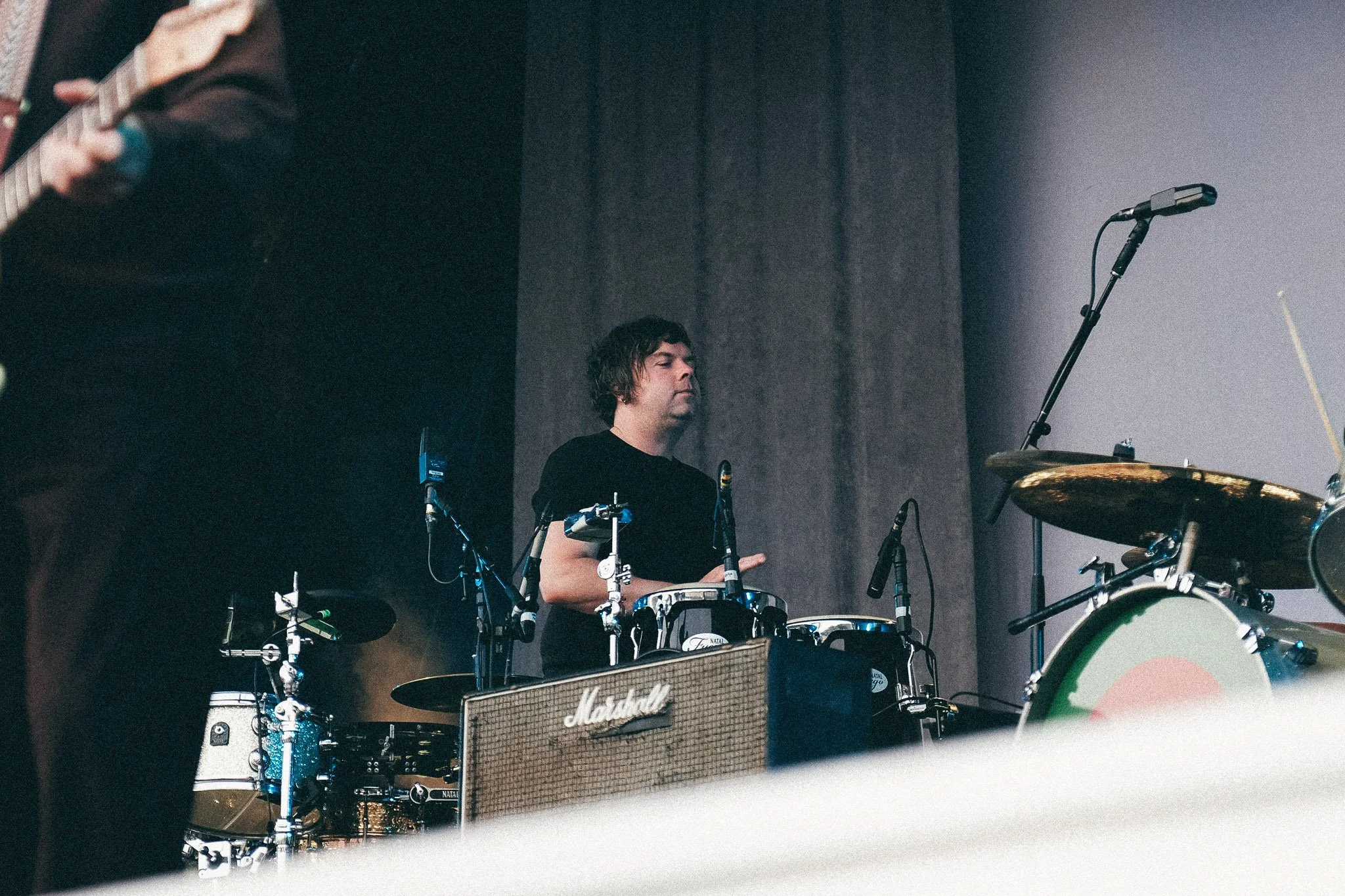
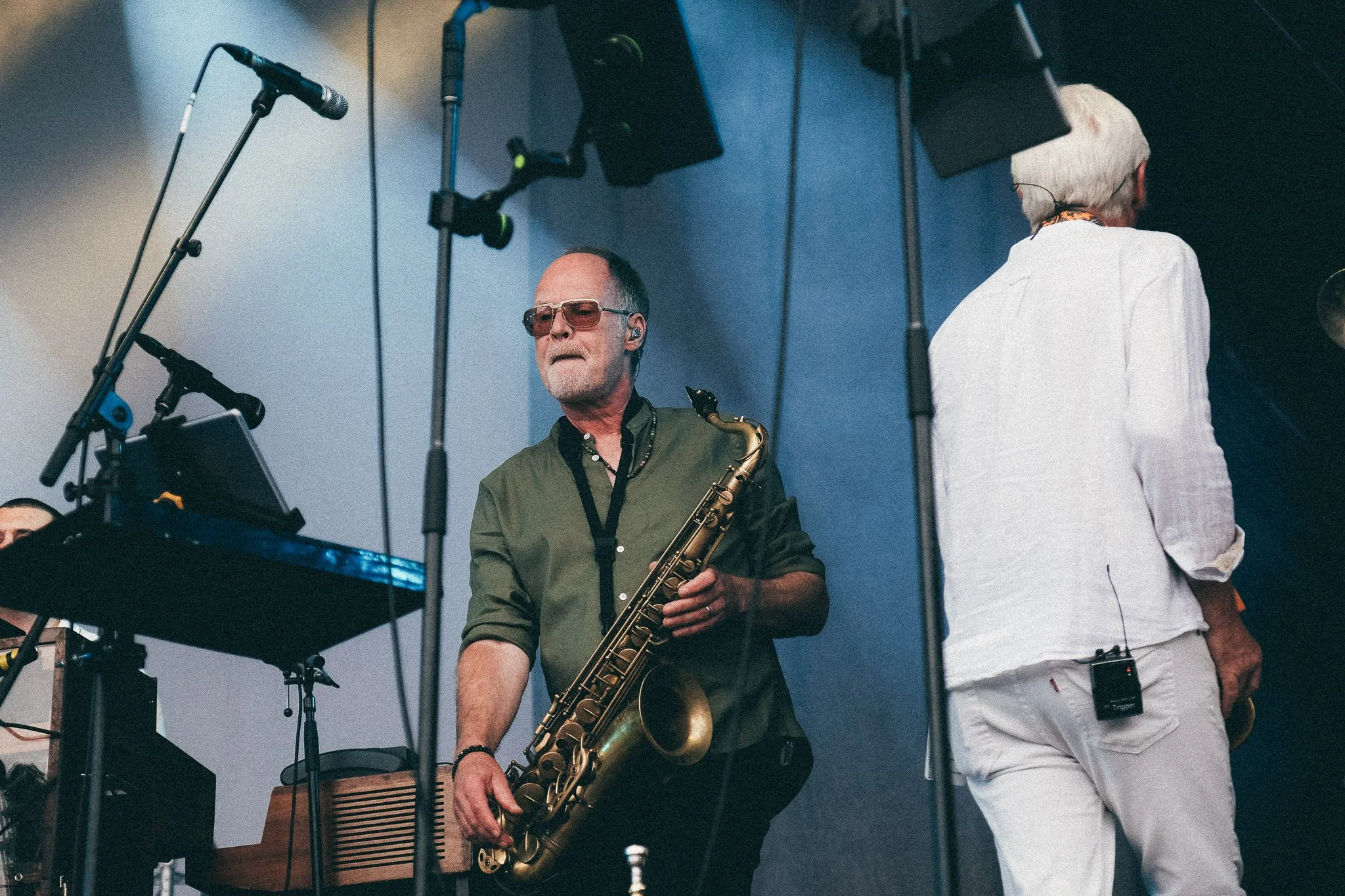
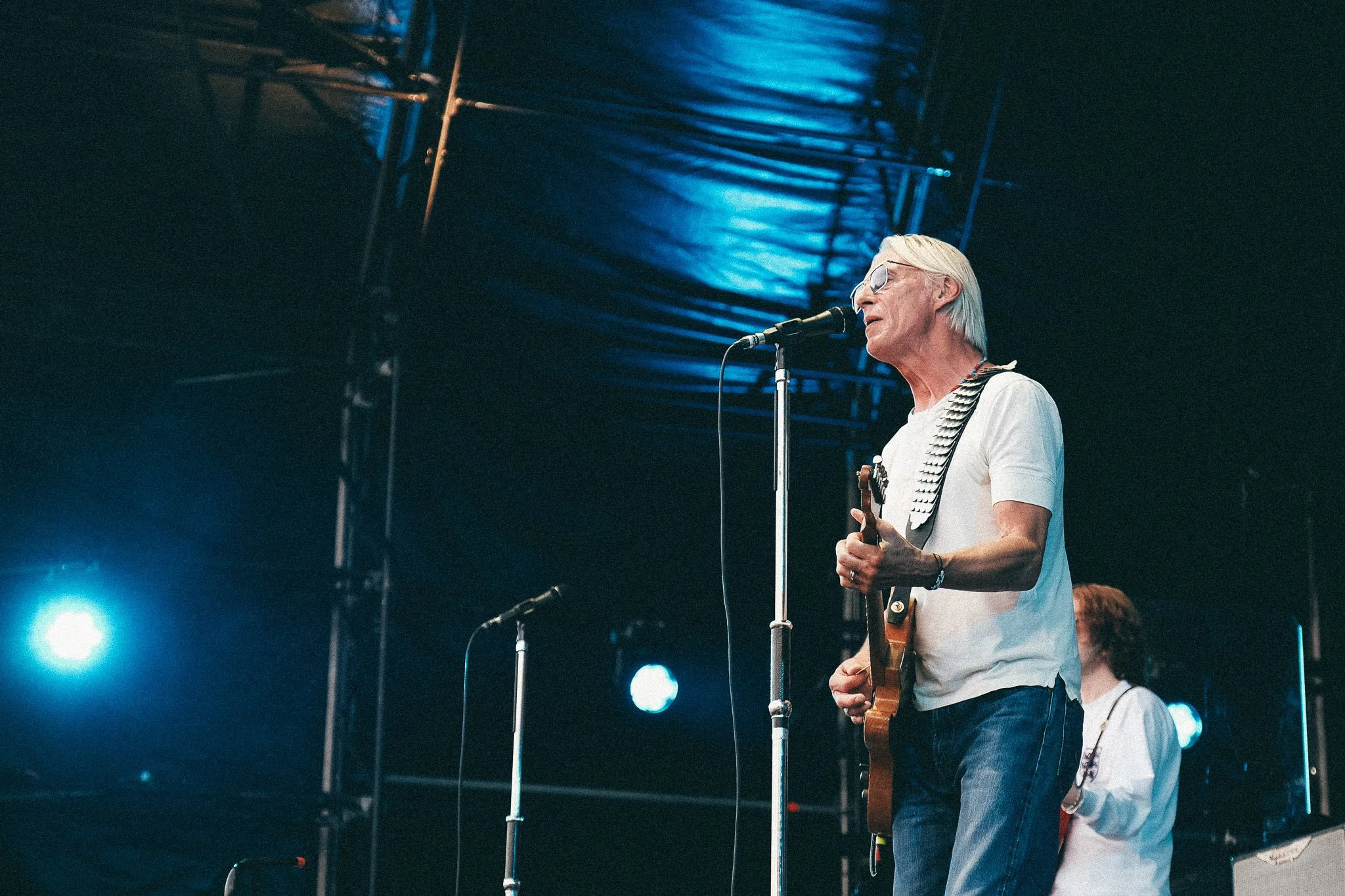
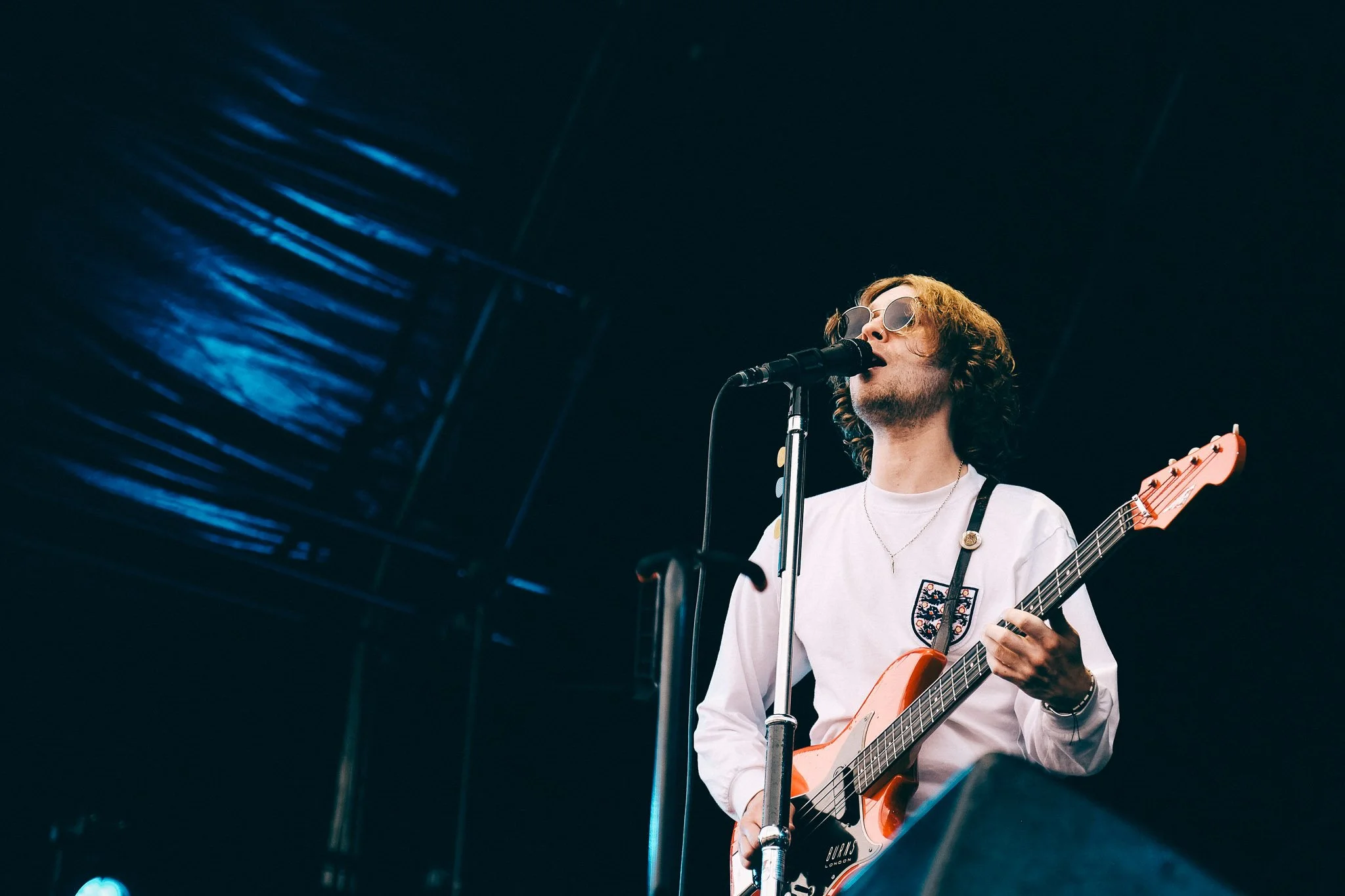
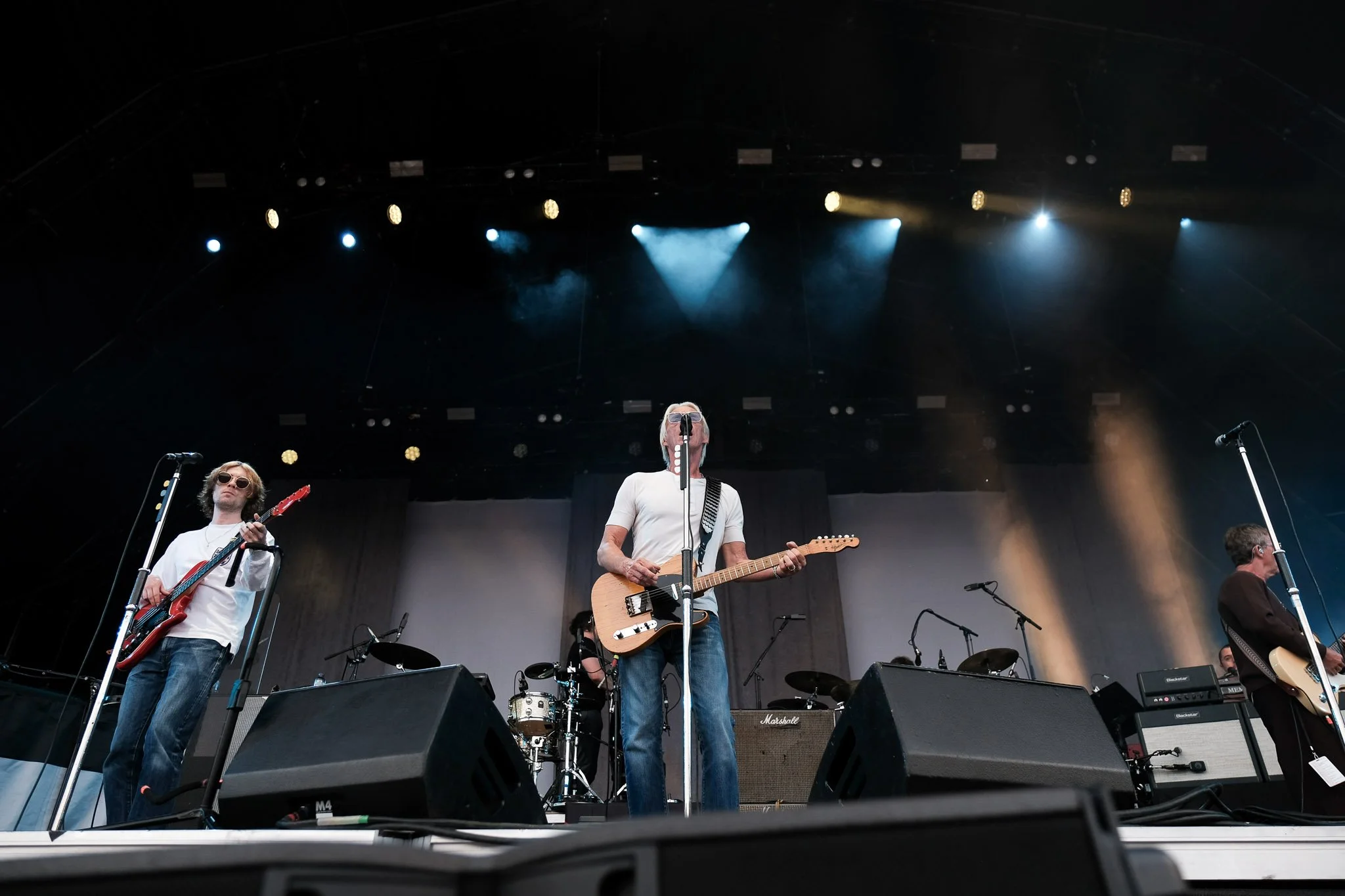
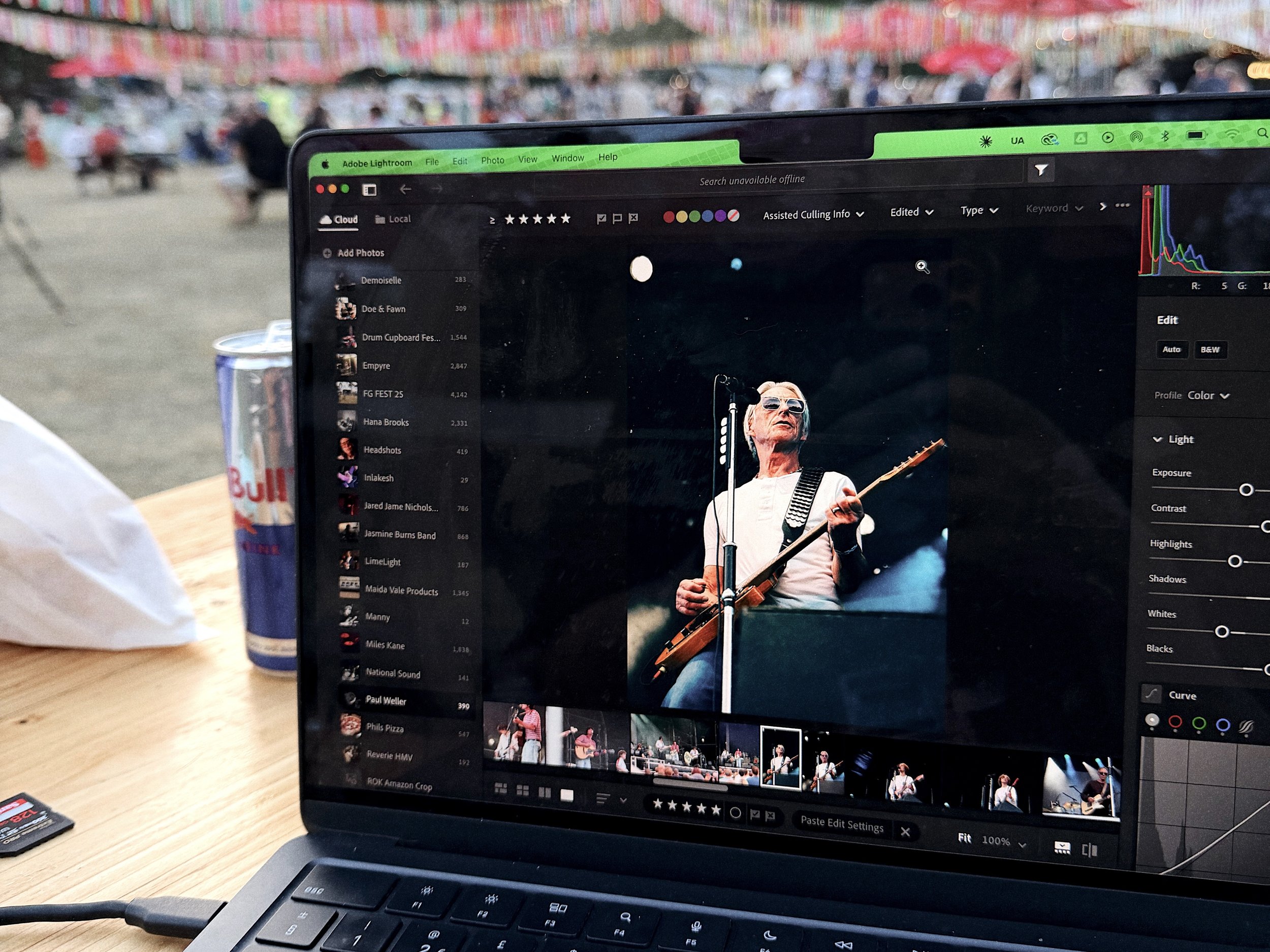
Yesterday I shot Paul Weller at Bedford Park as part of TK Maxx's Summer Sessions. It was the biggest artist I've shot so far, and honestly, it was incredible. I had a press pass as normal, which gave me access to the pit for the first three songs, and after that I could shoot from further back for the rest of the set. But those first three songs, that's where it mattered.
The Three-Song Limit
When you're shooting live music with a three-song restriction, every second counts. You get maybe fifteen to twenty minutes tops, and there's no room for retries. You get what you get. So I go in with a strategy. First song, I focus purely on photos, getting as many shots of Paul as the focal point, then circulating through the band. Second song, I switch to capturing video so I can put a reel together later. Third song, I fill any gaps, maybe try a different lens, shoot anything I missed.
The thing about summer festivals is that it stays bright for longer. I didn't get those dark shots with dramatic stage lighting that you'd get shooting later in the year. But I did get some golden hour stuff as the sun was coming down, which was brilliant. It's a trade-off, different conditions, different opportunities.
The Gear That Works
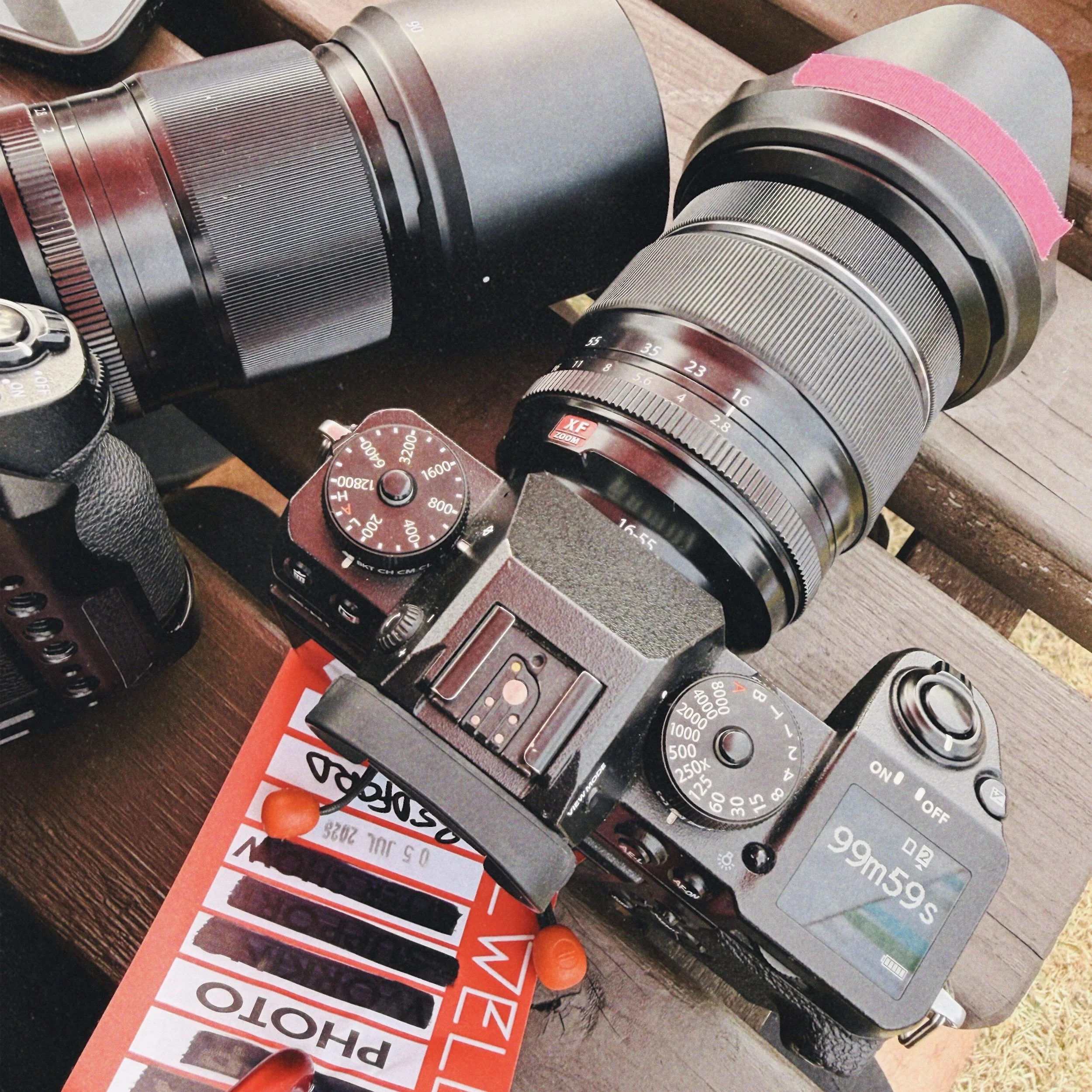
I brought my XH2 and XH1, which is my typical setup for live music. The 90mm f2 was my MVP, it's a new lens for me and it just works so well. I'm so glad I had it. I also had the 16-55mm f2.8 as a wide zoom on the XH1, which did the job but I used it less. I brought the 56mm f1.2 as well, but didn't really have time to switch to it.
What I'm realising is that you can shoot most gigs with just primes if you pick the right combination. If you take a 56mm and 90mm, they're both quite long, so you can't get wide shots. You have to make a decision about what you actually need. For me, the 90mm and the 16-55 combo worked perfectly.
The Emotional Side
I wasn't nervous, but there was excitement mixed with a bit of pressure. This is the biggest artist I've shot so far. I knew I only had those first three songs, and I didn't want to miss the shot, so to speak. But mostly I felt humbled. There are so many people who would love to have this opportunity. It's an incredible thing to add to my portfolio, and it's just been really great.
The Editing Advantage
Normally after a gig, I'm editing on the train home or the next morning, racing to get shots out because the moment passes quickly. But yesterday was different. After my three songs in the pit, Paul Weller had another two hours to play. I had time. I found a spot, offloaded my cards straight away, backed everything up, and started editing while I was still at the gig.
Because my workflow is the same wherever I am, it makes it very straightforward. I just offload, back up, and get editing. This morning when I woke up, I could send the images to the artist and upload them to social media. It didn't feel rushed. That rarely happens, and it was a nice change of pace.
The speed matters because people want to see these shots the same day or the next morning. A week later and the moment's already passed. If you're documenting something that just happened, your audience wants to see it now.
The Process Is The Same, But It Matters
What struck me about shooting Paul Weller is that the process was the same as every other gig I've done. The etiquette, the vibe, the approach, it was consistent with Union Chapel, the Roundhouse, all the other venues I've shot in the last six months. I've been to twenty thousand capacity venues, and up to that point, it's all very similar.
I'd be curious to see how things change at stadium level, different rules, different scale, but for now it's validated that my process works. Whether it's Paul Weller or an emerging artist, the fundamentals are the same.
How To Get Started In Live Music Photography
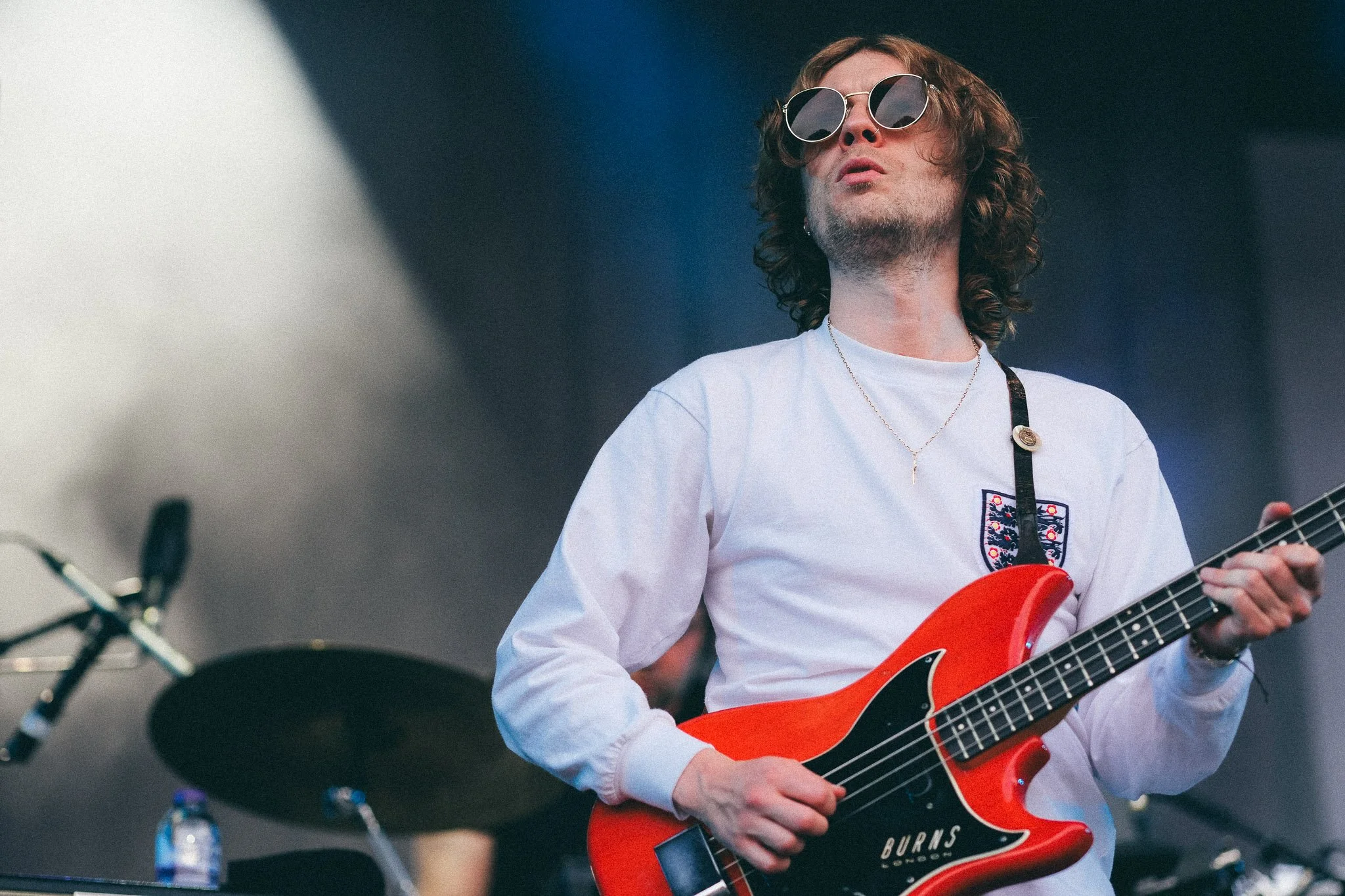
If you want to get into shooting live music, here's what you need to know.
Prep your settings beforehand. Take test shots before the band comes on so you know what your exposure should be. Lighting changes as the show goes on, but you'll get a good sense of it.
Be careful with video, shutter speed is crucial because lighting can create lines or artifacts in your footage. Make sure you're aware of what sort of lighting is at the venue, especially lasers, as these can damage your camera sensor.
Speak to stage managers or stage hands beforehand. Introduce yourself. It's good etiquette and it helps. Be courteous of other photographers in the pit, everyone deserves the chance to get their shots. At the end of the day, you're there to work, so present yourself professionally.
The Path To Getting These Gigs
You can get work through publications like newspapers or magazines. There are also companies that have contacts and can get you onto gigs. But honestly, a lot of it comes down to who you know.
I've been running my music studio for over five years, and in that time I've built up genuine contacts. A few of those contacts have really elevated me. That's where a lot of this has come from. The path is: start small, meet people, network, ask. Don't ask, don't get. It's definitely more often than not about who you know in this industry. But it's also about building real relationships and putting yourself out there consistently.